





























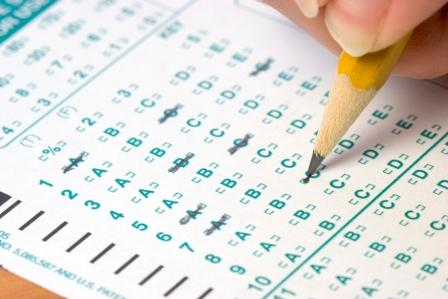
Every year, students across the country file into classrooms and sit for hours filling in bubbles on their exam papers. Standardized testing has become a major part of middle school education, but is it really helping students learn? Standardized tests have been part of the American middle school system for decades and are given to all students throughout the year to measure their progress in subjects such as math, reading, writing, and science. Schools usually use these tests to track progress, compare performance across districts, and see who needs more help or practice. In theory, this sounds fair and efficient; after all, schools want to make sure all students are meeting the same standards. But in practice, the testing can feel very different. Many middle school students say the tests aren’t a good representation of their abilities and lead to unnecessary stress. Teachers are sometimes forced to “teach the test,” which takes away time spent on lessons in the curriculum. On the other hand, some educators believe these tests are necessary to determine if children have been keeping up with their coursework, as well as ensuring children’s progress can be viewed by their parents. So the big question is: should middle schools continue to use standardized testing, or is it time to find a better way to track student progress?

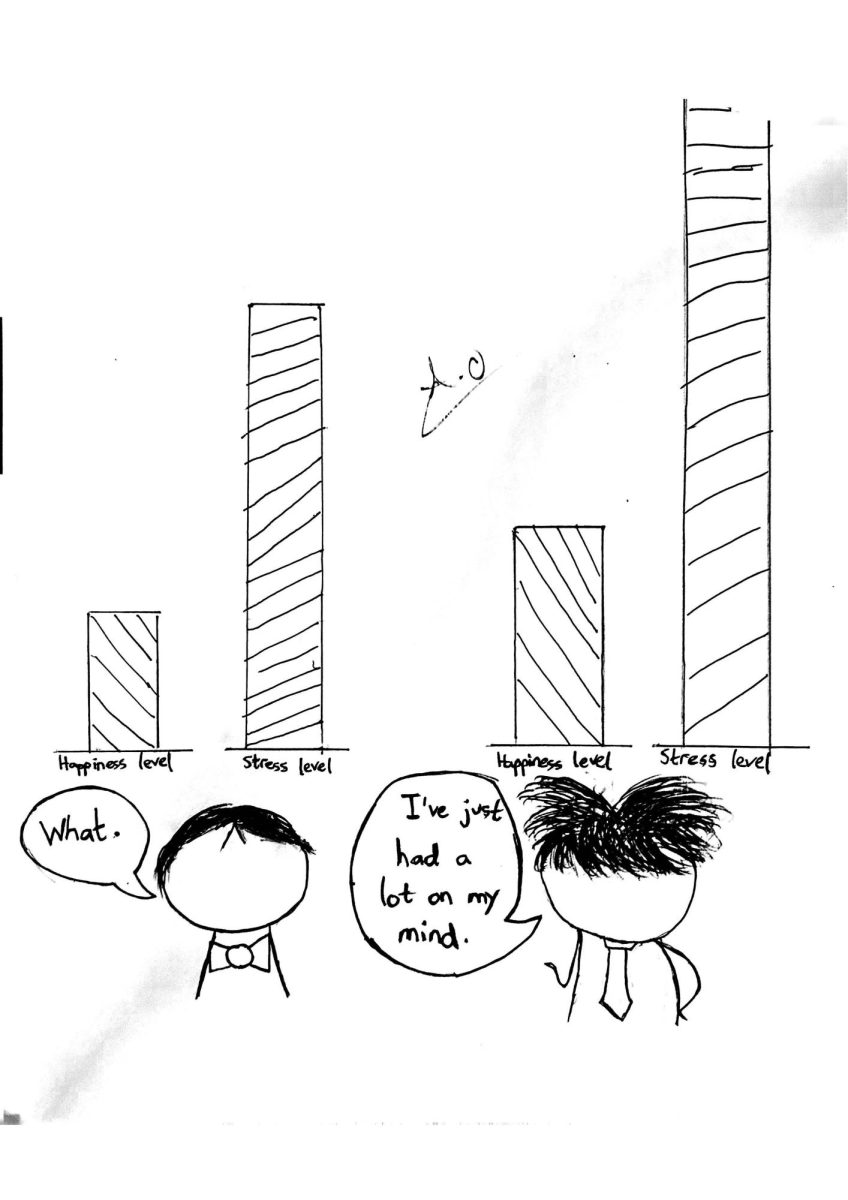
One of the biggest arguments against making standardized testing mandatory in middle school is its negative impact on students’ learning experience and well-being. Research shows that standardized testing shifts class focus from the curriculum provided to test prep. For example, in an article by California Learning Resource, it is noted that standardized tests “can be a significant source of stress and anxiety” for students, especially those already struggling, and that the pressure to perform may impair cognitive functions like memory retrieval and attention. Other analyses showed that standardized testing forces educators to focus on what will appear on the exam, pushing aside important but non-tested subjects such as art, history, or collaborative projects (edutopia.org+1). When middle school students, who are in a key developmental phase of building curiosity and confidence, are subjected to frequent bubble tests and a teaching environment geared toward test performance, the result can be disengagement from learning, lower motivation, and a reduced opportunity to explore more creative or critical-thinking skills. Another problem is that all students have to take the same tests, which may not be a good representation of the intelligence and learning capability of a student whose talents lie in subjects that aren’t tested.
On the other hand, there is major evidence that standardized testing is a valuable tool for accountability and improvement in middle schools. These tests give an accurate benchmark which pure classroom grades cannot provide. For example, one education analysis states that standardized tests can “offer an objective measurement of education” and help “identify achievement gaps among different student populations.” (Encyclopedia Britannica+2Noah Webster Educational Foundation+2). Because all students take the same test under similar conditions, schools are able to compare performance across classrooms, grades, and districts to see where extra help is needed (Prodigy Game+1). This way, having a required test in middle school means educators and parents aren’t left guessing how students are doing—they have data. And when data shows that a certain percentage of students are behind in, say, math, schools can respond with targeted tutoring, revised
curriculum pacing, or additional resources. Under this view, standardized testing helps ensure that no student slips through the cracks because their struggles aren’t captured by traditional assignments or teacher-grades.
In conclusion, standardized testing offers significant pros and cons, such as being a effective tool to gauge progress and accountability. It is also, however, a major source of stress that takes away time from deep learning. This debate has plagued schools for years and doesn’t look like its going anywhere soon. Until districts, curriculum planners, and schools decide on something, I wish you the best in all your MAP, STARR, and PSAT tests and hope you ace them Inshallah!