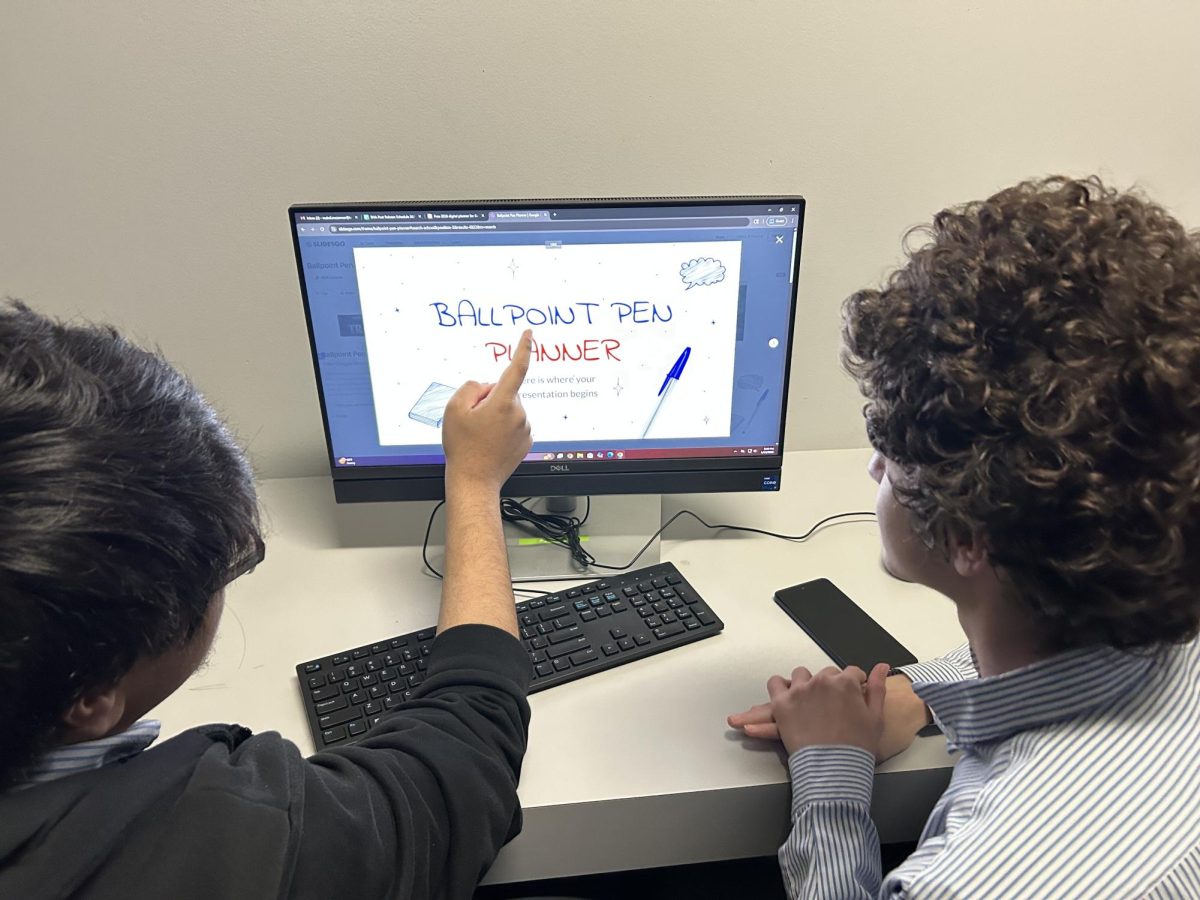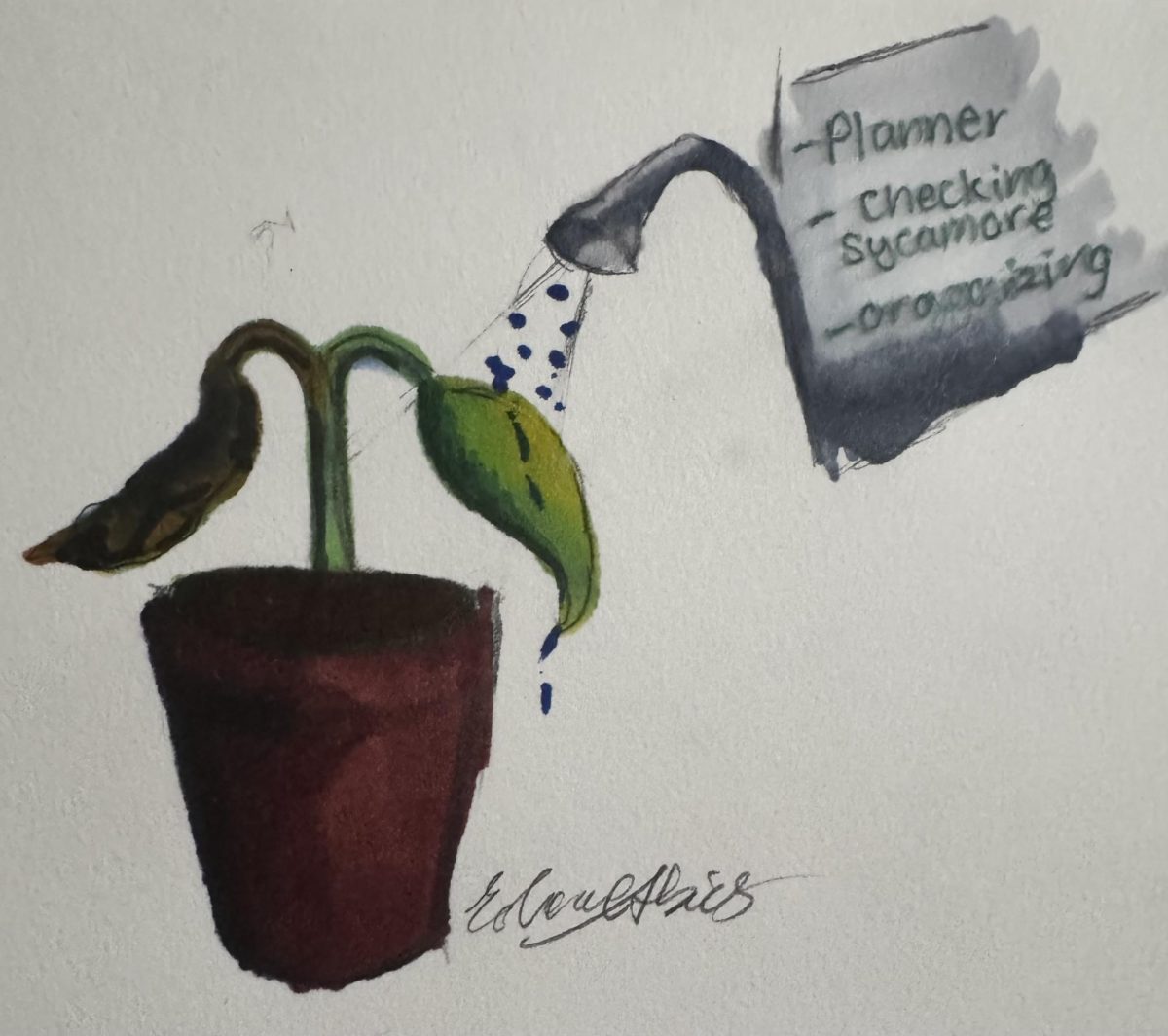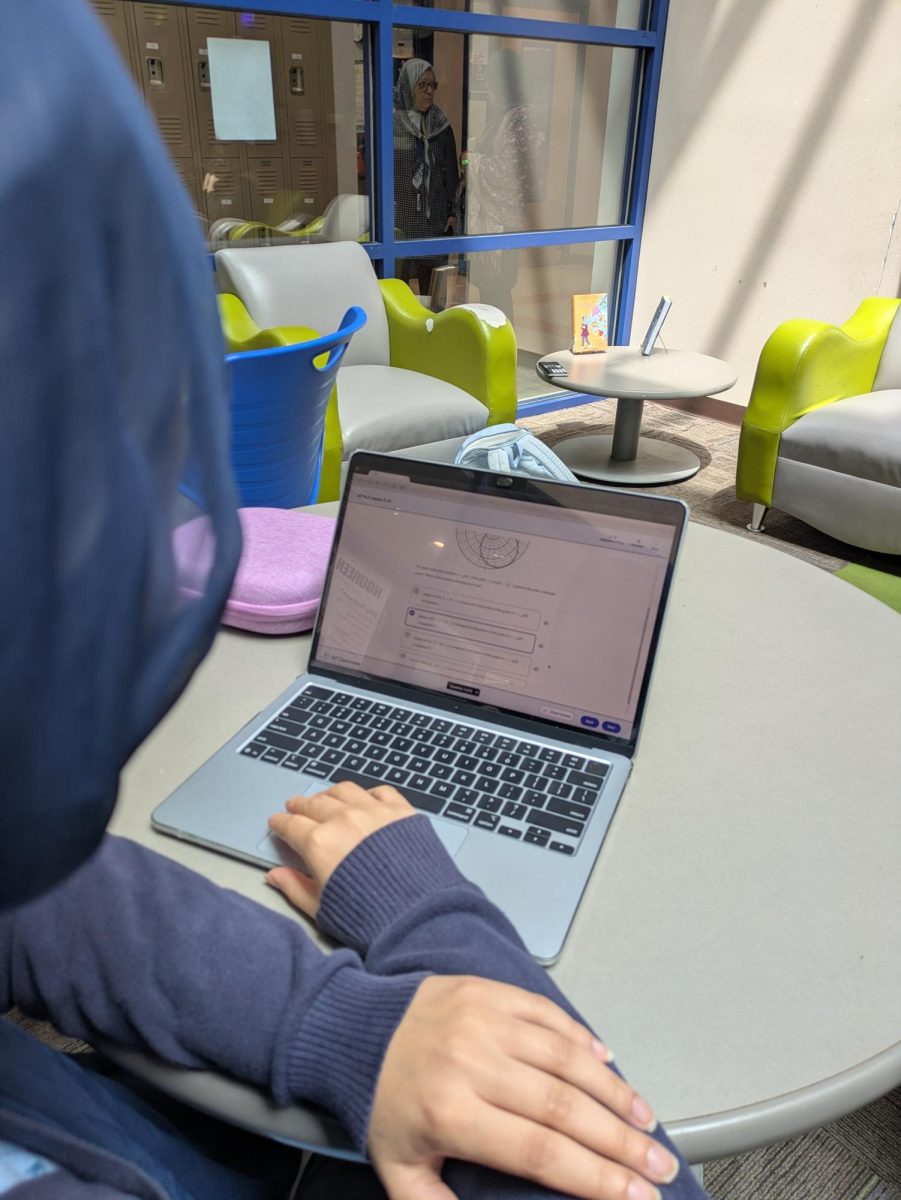
In recent years, some teachers at BHA have been implementing the “flipped classroom policy”, in which students learn a significant portion of a course by themselves. Could this really be an effective learning strategy, prioritizing class time for assessments and questions while we use our time at home to learn, or are teachers using this policy to justify larger workloads and heavier stress on students? We interviewed 2 sophomores on the topic of a flipped classroom and got their responses.
The first sophomore we interviewed was Yousuf Jisri. He stated, “It could potentially be good for students in the long run with consistency.” As an elaboration, he says that the flipped classroom policy is only effective in the long haul and not a short fix for a class or two that was cancelled. He also says that, “Teachers should take into consideration other work that we might have”, as of course, having multiple courses to learn at home is very stressful. He also pointed out how he sees students complaining a lot about the massive workload, but are not managing their time correctly. Overall Yousuf Jisri’s take is that flipped classrooms do benefit the student and their course mastery, but it must be contained and heavily regulated as to not overwhelm the student with an unbearable workload, and that complaining students are actually not managing their time correctly. Before we ended the interview, he told us that the stress caused by the teachers could be a lack of self-esteem and that, “We should never attribute self-doubt with a lack of confidence”.
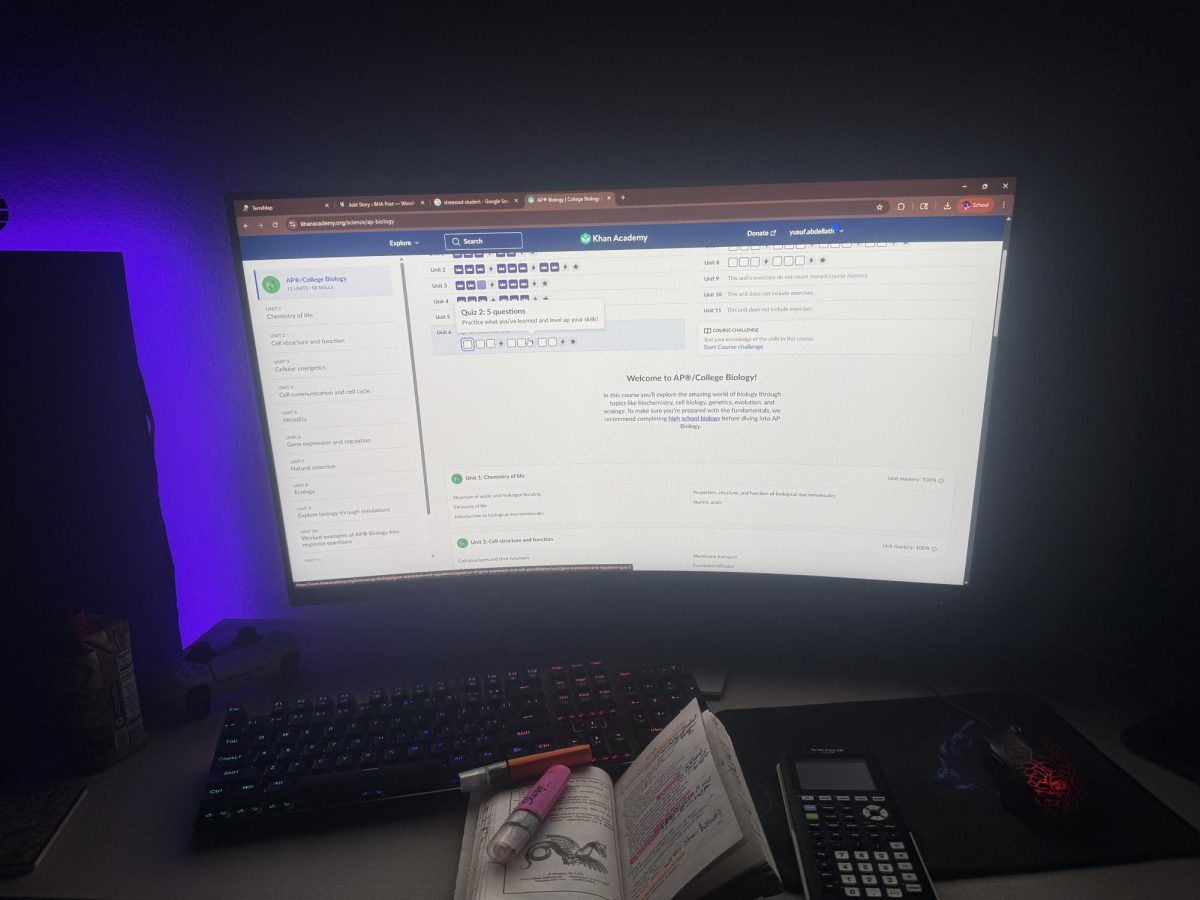
The second sophomore we interviewed was Fares Tashtoush, whose take differed quite a bit from the former. He says, “I don’t think they (flipped classroom policies) help at all.” He thought the the idea of a flipped classroom is quite counterintuitive, as students should not have to review at school and learn at home but should learn at school and review at home. This is obviously because students have a better time learning with the help of a teacher in the classroom over learning at home. Reviewing at home also has its advantages, as you can practice using numerous sources across the internet. He also adds that, “Students learn very differently and each student has their way, but in my opinion, I like it when I’m taught, and I review it at home.” This is a much more progressive approach to the idea of education, since students were just told what to learn and expected to know it by exam day for a long time.
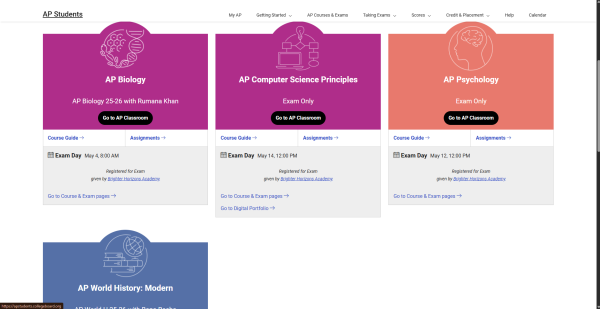
The flipped classroom remains a controversial approach to modern education as shown through the different perspectives of the sophomores interviewed. Its effectiveness largely depends on how it is implemented, and how well it accounts for students’ diverse learning styles. While Jisri emphasizes a traditional approach that he believes guarantees the learning of the course through long term consistency and time management via the flipped classroom policy, he also acknowledges the immense regulations needed to be put in place, in order for teachers to not overwhelm their students. At the same time, Tashtoush highlights the flaw in the policy where learning without the teacher’s guidance can be counterproductive for many students and that the only thing we should be doing at home is strengthening the course by review, rather than learning the material itself.
Ultimately, the concept of the flipped classroom can be effective if regulated and implemented thoughtfully and with reasonable expectations. However if the class in question wants to be more progressive (learning things gradually), learning at school and reviewing at home would be much more effective.