For every Muslim, Ramadan is an important part of the year. It is a time where everyone practices one of the five pillars of Islam, sawm (fasting), and overall becomes closer to their faith. Despite the difficulty caused by lack of food and drink, many people look forward to this month because they often find their relationship with Allah improved.

This year, Ramadan is expected to start on the evening of February 17, which is almost two weeks from the date this article is published. Since the month presents such a drastic change from everyday life, is it important to start preparing for it early. But what are some of the ways we can get ready?
According to the Human Relief Foundation, one of the best ways to prepare for Ramadan is to fast in Sha’ban. While many people are already performing their make-up fasts for what they missed last Ramadan, taking advantage of the short winter days, they should try keeping fasts even when it isn’t required. Not only will this help them prepare more adequately for Ramadan, but it will also help them get more reward. “According to a story by Usamah ibn Zaid (RA), Prophet Muhammad (SAW) used to fast the most in the month of Sha’ban (except for Ramadan) because people neglect this month, but this kind of fasting gives extra reward because most people are busy with their lives during this time,” said Ms. Iman, the 11th grade Islamic Studies teacher. “Additionally, Sha’ban is the month where a person’s annual report of deeds is given to Allah, so the Prophet (SAW) wanted to be fasting while this was happening.”
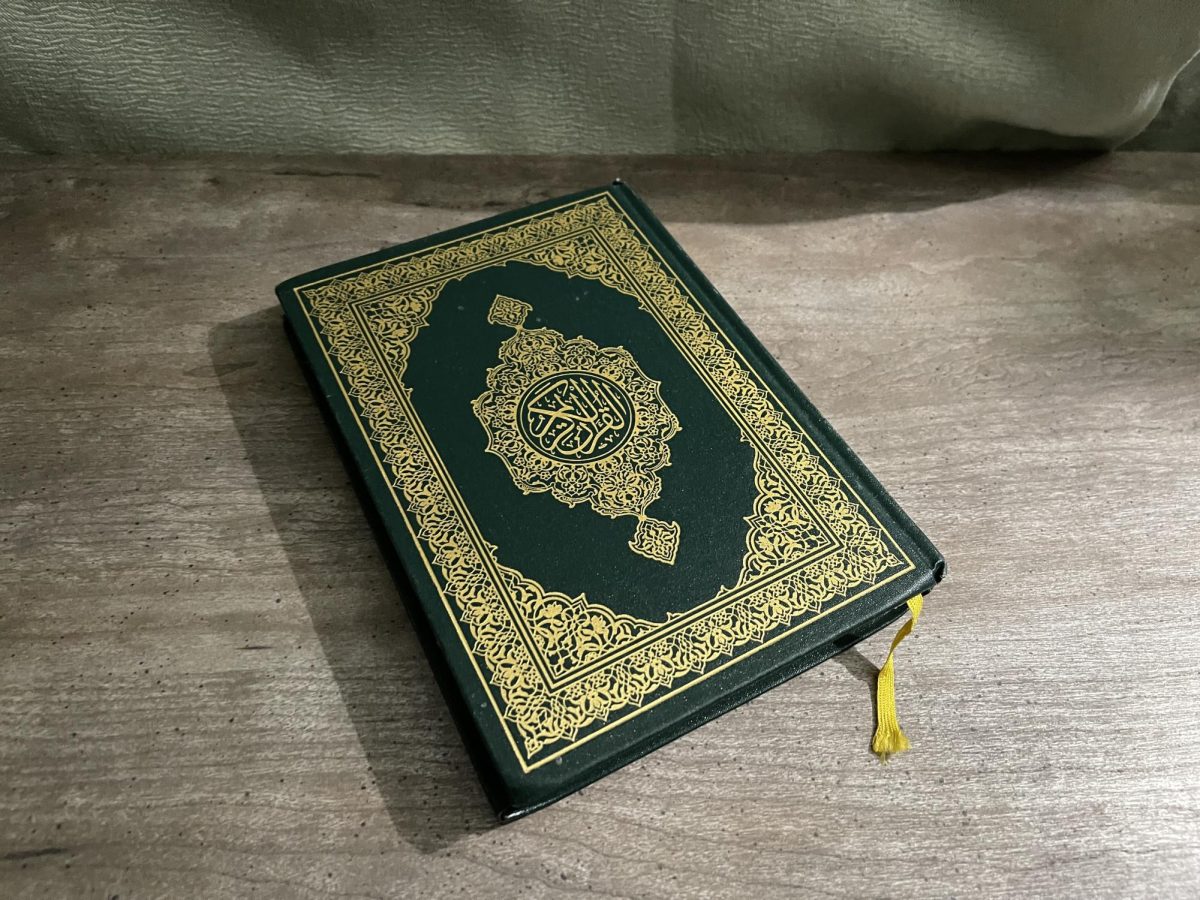
Another way to boost preparation for Ramadan is to start integrating the Quran and Sunnah (practices of the Prophet Muhammad (SAW)) in one’s lifestyle, even before the holy month starts. Even little changes, like reading ten minutes of Quran after salah or finding one small Sunnah to do per day, can make a big difference. When Ramadan starts, someone who does this will already have a head start from their regular level of practicing Islam and can add more Quran and Sunnah to their lives.
Making a checklist is also a great way to organize goals and prioritizes for Ramadan. Some examples of goals include learning the tafsir of, or memorizing, a specific Surah, going to the masjid every night for Taraweeh (voluntary night prayer), and practicing being extra kind and charitable to friends, family, and neighbors. “My Ramadan goal is not to say anything bad or raise my voice,” said Sireen ElMoselhy, 6A. “I also want to finish the whole Quran.”
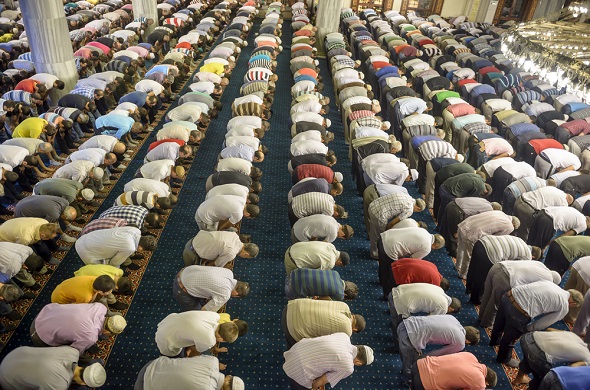
Muslims should also take physical measures to ensure they are prepared for the hunger, thirst, and exhaustion that often comes with Ramadan. As previously mentioned, fasting beforehand is a good way to prepare one’s body for this time. Additionally, since many Muslims choose to spend their nights in ibadah (worship), one should adjust their sleeping routine now, according to Life With Allah. Incorporating more Salah (prayer) after isha (mandatory night prayer) can give someone more hasanat (good deeds) as well as allow them to get used to praying at night. Planning meals is another action that can be beneficial and allow Muslims to maintain healthy eating habits while fasting. It can also save time in Ramadan for worship instead of having to think about food, which will be especially difficult for someone who is fasting.
Ramadan is the most important month in the Islamic year, so we should prepare for it accordingly. Even though it oftentimes becomes easier to practice one’s faith during the month, change doesn’t happen overnight. By taking measures to prepare ourselves both physically and spiritually for the time ahead, we can ensure we have a productive and blessed Ramadan, inshaAllah.