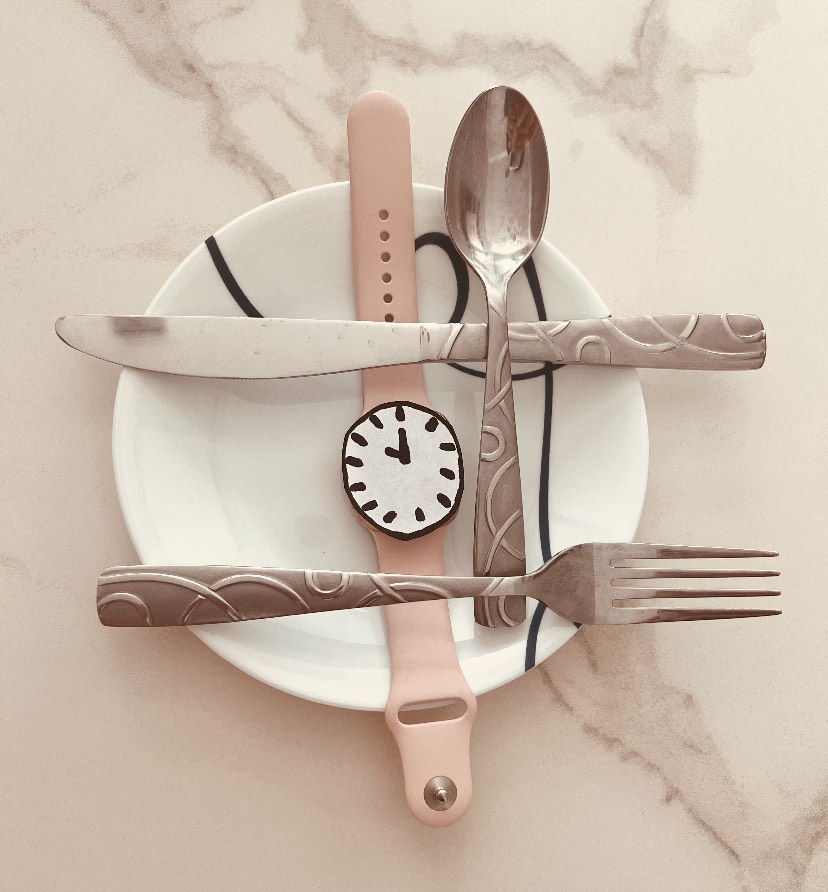


























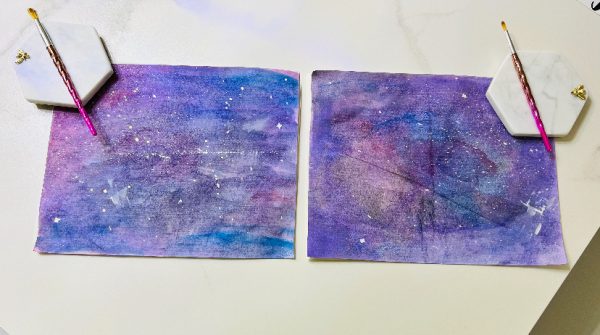
Hobbies are like all the tiny stars scattered across the galaxy that have the power to illuminate even the darkest sky. Some people might think hobbies are a waste of time, or something that distracts you from being productive and working efficiently on other things, like school. But that’s not always the case. Hobbies are like the cherry on top of the cupcake. They add vibrancy and color to life. They make a person feel special, unique, and make life feel like a journey full of adventures. Hobbies provide balance and harmony, which is why they positively impact your mental, emotional, and physical health, and overall, your entire life.
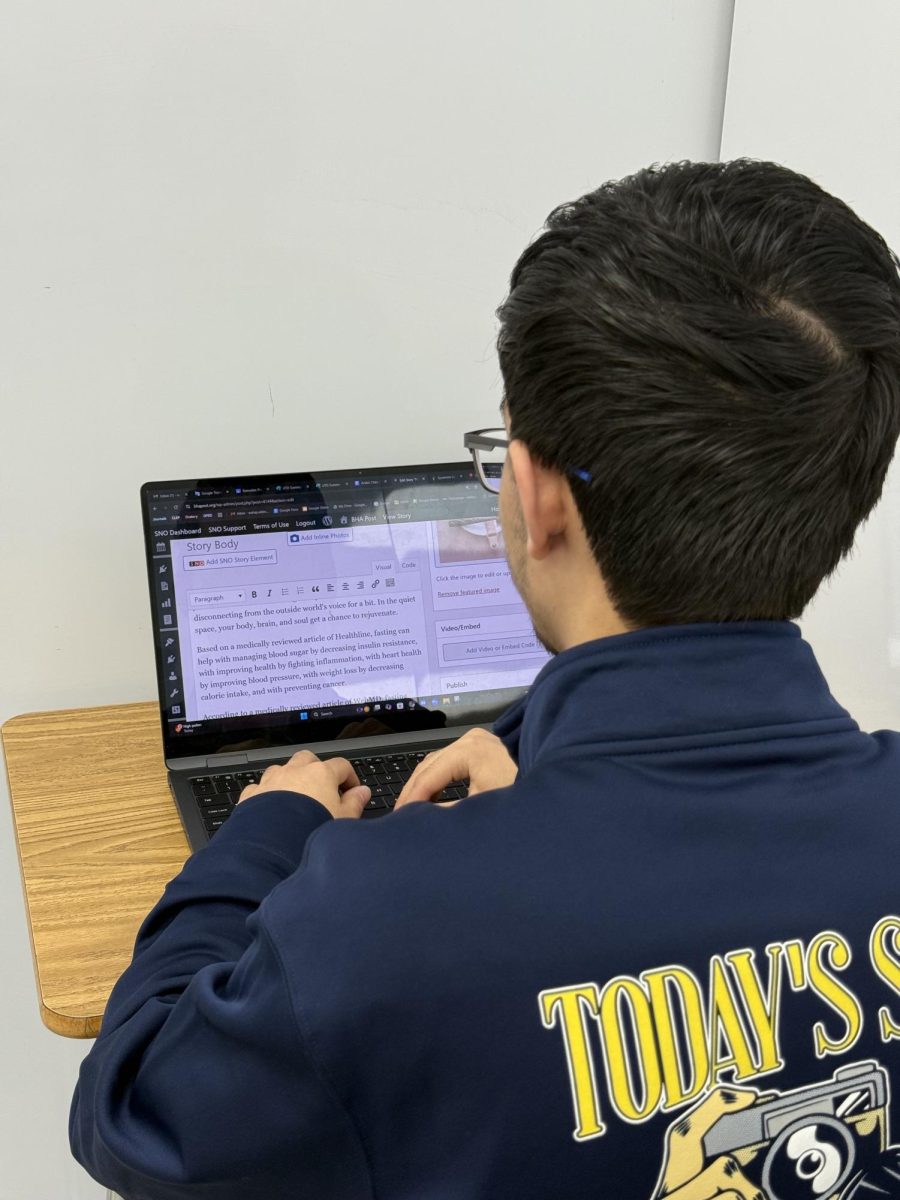
According to Harvard Health, a study by Nature Medicine shows that having a hobby is good for one’s mood and health. Based on five large studies which had more than 93,000 people followed for four to eight years, the people who had hobbies had more happiness, were more satisfied with life, had less symptoms of depression, and had better overall health than people who didn’t have hobbies. Regarding the same subject, Sophomore Eshaal Abid says, “Having a hobby positively impacts my mood and brain as it allows me to keep my self motivated, busy and it changes my perspective in many ways.”
Furthermore, according to UCLA Health, researchers indicate that hobbies can benefit a person’s immune, endocrine, and central nervous systems. This can decrease the risk of developing certain types of cancer, dementia, heart disease, and stroke. For instance, creating pieces of art decreases the bodily level of cortisol, a stress hormone. Also based on UCLA Health, some ways to maximize the benefits of having a hobby are performing the hobby with others who enjoy it too, which can contribute to having a longer life.
In addition to this, balance is key when it comes to hobbies. It’s great to balance a mix of hobbies that help with physical well-being and hobbies that help with mental well-being. Freshman Manaal Abid remarks, “I like my hobbies as they help me forget about my problems. I make bracelets and I started drawing and painting recently. I also started writing my own novel and it’s so relaxing because I can pour my heart and soul.”
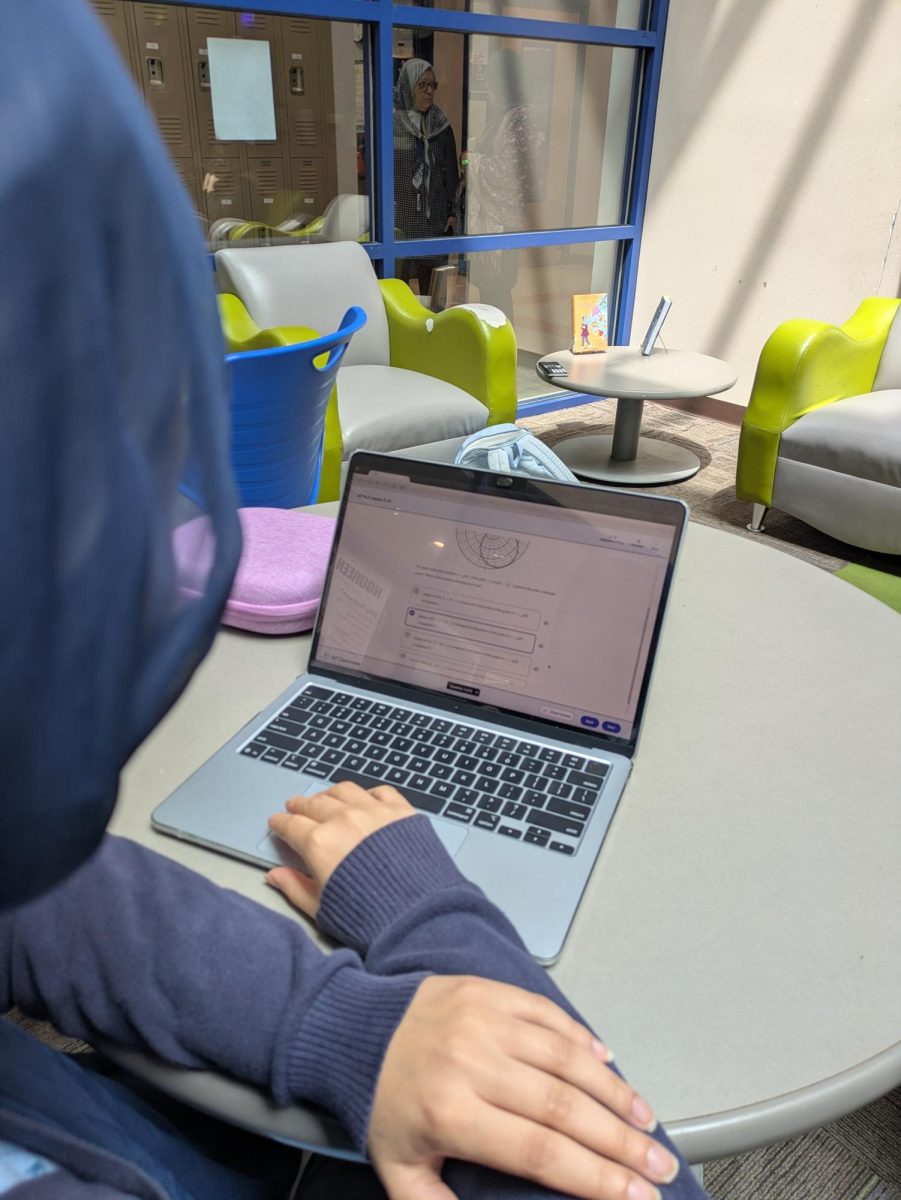
According to University of Michigan, “the best strategy for maintaining good brain health is to combine physical exercise, mental challenges and social interactions,” Dr. Eva Feldman, a neurologist, says. Hobbies that include physical exercise “(increase) blood flow to the brain, (stimulate) the birth of new hippocampal neurons, and (strengthen) the prefrontal cortex,” Wendy Suzuki, Ph.D., says. Hobbies can help maintain cognitive flexibility and memory. They improve resilience and patience, relieve stress, and boost motivation. They also build connections, bonds, creativity, problem-solving skills, and many more cognitive skills. Sophomore Saffiyah Khalid says, “Hobbies help keep me busy when I really need it. When my mind is empty, it helps me to do what I like. Instead of dwelling on things, I can just take my mind off of them.”
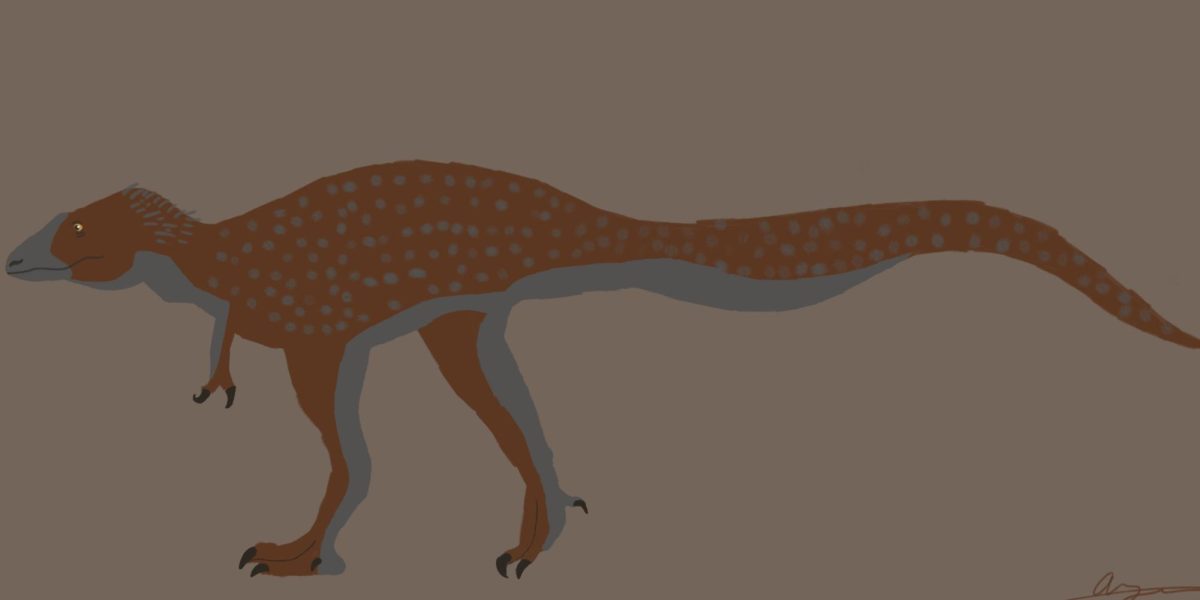
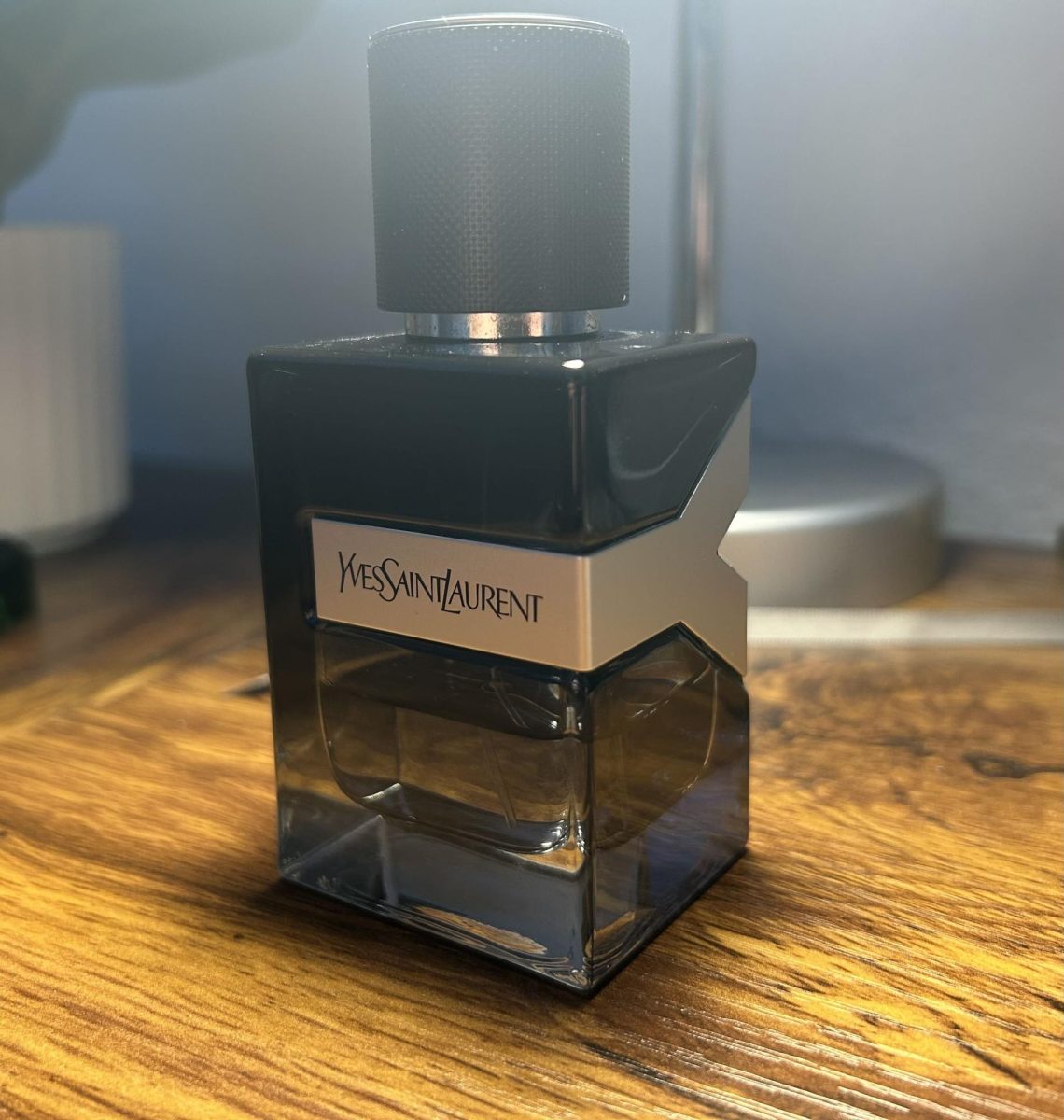
Like stars in the galaxies, hobbies are unique to each person. Someone might like to draw, and another person might like to read, or both.
But what really matters is that every single hobby illuminates life’s path.