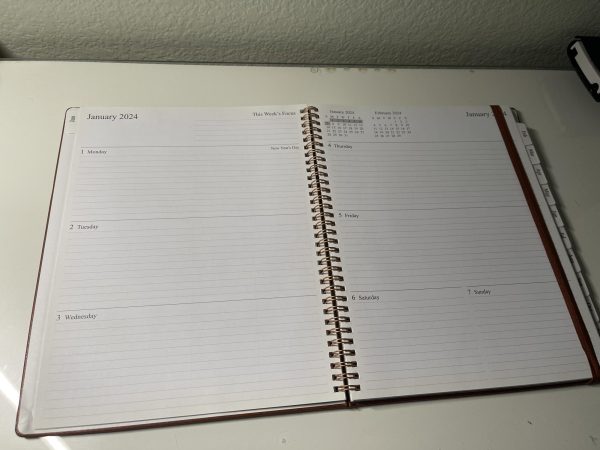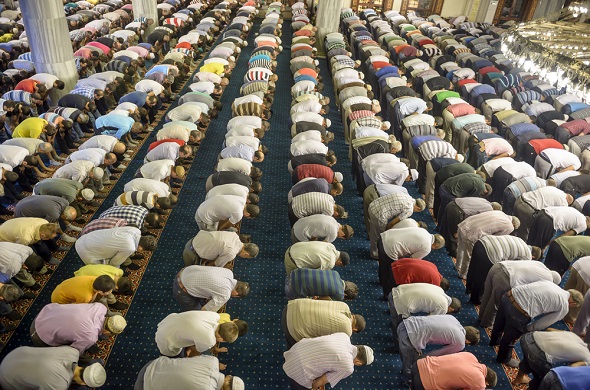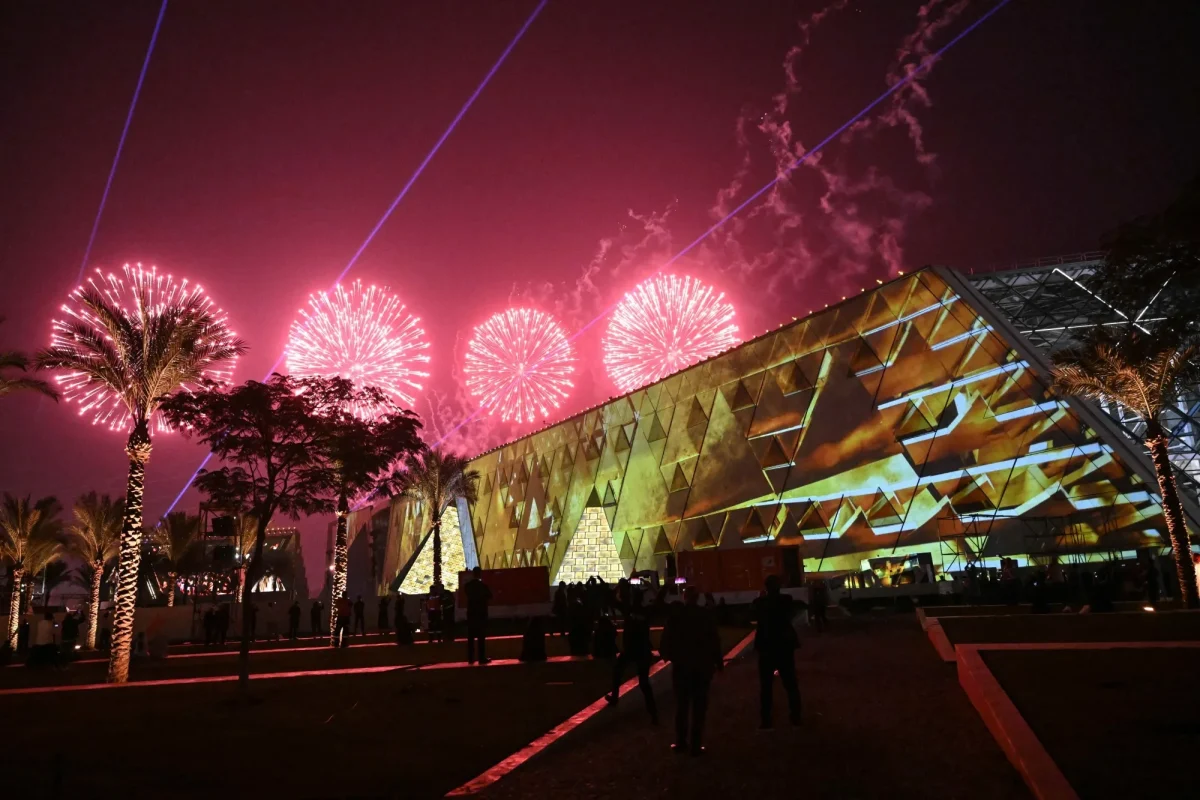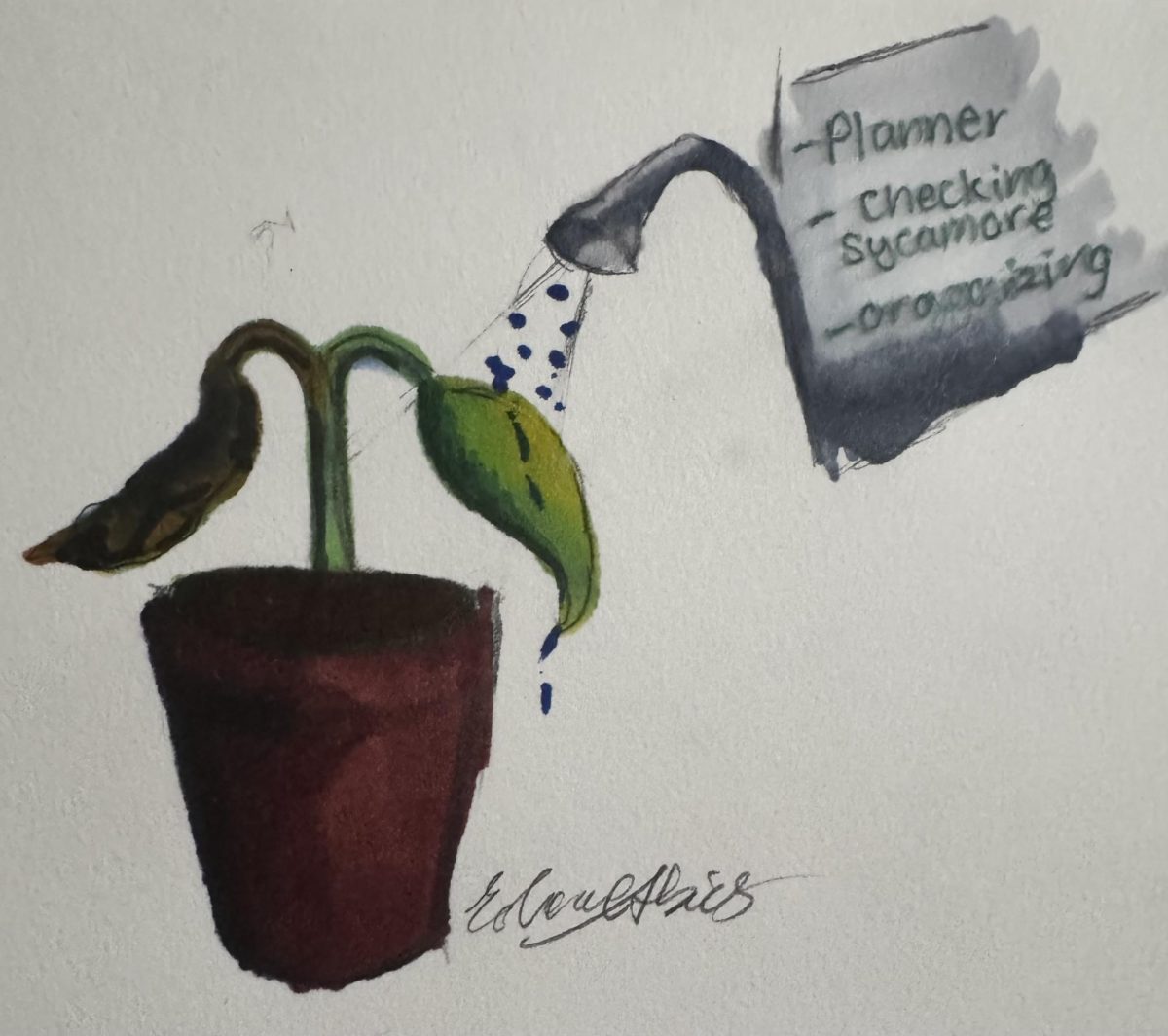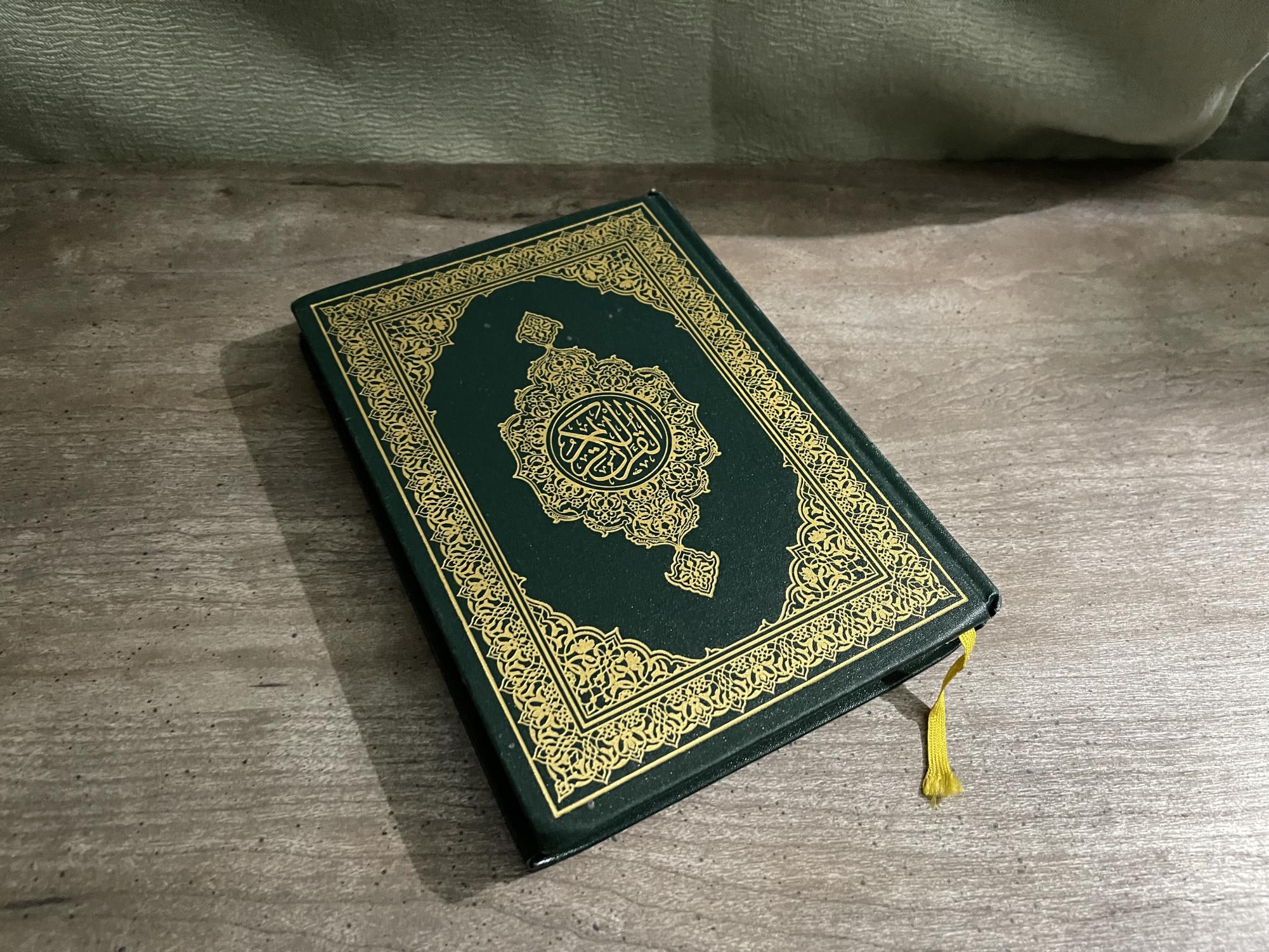
The New Year is celebrated on January 1st in the Gregorian calendar and is often marked by parties, fireworks, and countdown celebrations. For many people, it represents a fresh start and a chance to set new goals. From an Islamic perspective, however, the New Year is viewed a little differently. In Islam, time is a blessing and a trust from Allah SWT. Each passing day is an opportunity to improve and worship Allah. Rather than setting goals on just one day of the year, we should consistently reflect on our choices and strive for personal growth.
While Islam does not forbid acknowledging the start of a new calendar year, it does not recognize January 1st as a religious holiday. Additionally, many Muslims do not participate in New Year celebrations that involve activities that oppose Islamic beliefs, such as alcohol or excessive partying. Islam also follows a different calendar called the Hijri calendar. The Hijri calendar is based on the lunar cycle of the moon and began with the Hijrah of the Prophet Muhammed SAW. This event marked a turning point in Muslim history; it represents the sacrifice and perseverance of the prophet and his companions. Unlike the Gregorian calendar, the Hijri calendar shifts roughly eleven days earlier each year, making Islamic months and holidays move through different seasons.
The Islamic New Year begins with the month of Muharram, one of the four sacred months. While it is not celebrated with festivities, it is a time to reflect and increase awareness of our actions. Muslims use this time to remember historical events, strengthen their faith, and set intentions for the year ahead. This emphasizes the belief that meaningful change comes from consistent effort rather than one moment.
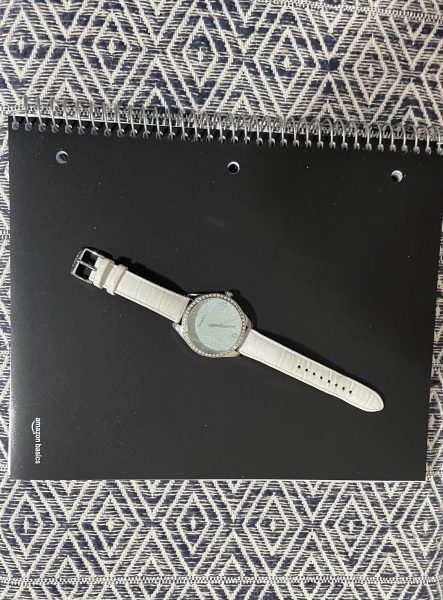
When comparing the Gregorian New Year and the Islamic perspective on time, a clear difference appears. While the world often emphasizes celebration and excitement at the start of a new year, we emphasize accountability, discipline, and daily improvement. Both calendars mark the passage of time, but Islam teaches us that true success comes from how time is used, not how it is celebrated.
Another important aspect of Islam’s view on the New Year is the concept of niyyah, or intention. As Muslims, our actions are judged by the intentions behind them, which makes self-reflection especially meaningful as time passes. Whether it is the beginning of a new calendar year or an ordinary day, Muslims are encouraged to renew their intentions and remain mindful of their purpose. This focus on intention helps us stay grounded and motivated to improve our character, strengthen their relationship with Allah, and contribute to their community.
In conclusion, the New Year is less about a single date and more about continuous reflection and growth. Whether following the Gregorian or Hijri calendar, Islam reminds believers that every day is a new opportunity to improve their character, strengthen their faith, and make better use of the time they have been given. Instead of focusing on a single day, Islam teaches that real change comes from the small choices people make each day.