[DISCLAIMER: This article is not intended to diagnose the reader with the condition mentioned in this article. If you suspect you might have this condition, please consult a professional.]
A chill bites at your skin, your breath becomes visible as you exhale, and that’s when you realize the season is shifting again. The days shorten, the weather becomes cooler, and leaves change color to prepare for winter. Many people see the change as ordinary, a transition that’s just another part of life. For others, however, the shift can cause an inexplicable feeling of dread, and the weight of the emotion suddenly becomes heavier than before.
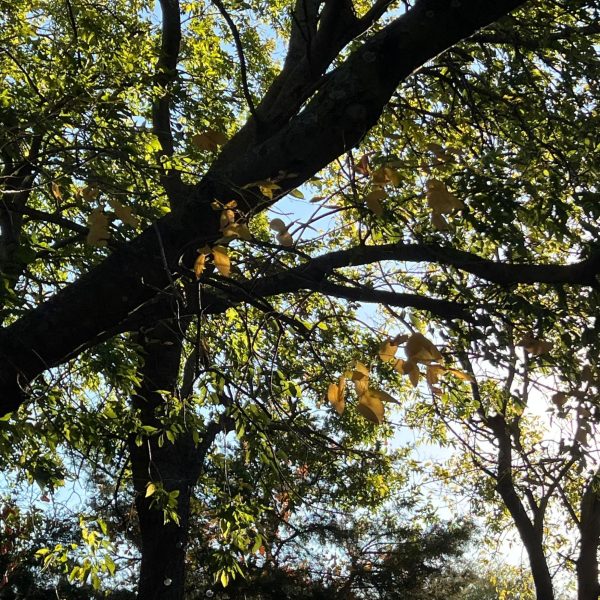
Primarily when the seasons change, an onset of symptoms might present themselves. You might feel sad nearly every day. Perhaps you lose interest in activities you once enjoyed. You feel sluggish and have low energy. Your appetite and cravings alter. Your motivation slips away from your grasp and is replaced by an emotional numbness.
A lot of people dismiss this as the “winter blues”, but actually, you could be experiencing Seasonal Affective Disorder (SAD), a disorder that mostly occurs in autumn and winter. Though the specific cause is unknown, some factors may come into play. Your brain produces a chemical called serotonin, a neurotransmitter that affects mood. Reduced sunlight results in less serotonin, and this might cause a chemical imbalance in your brain and trigger depression. The decrease in sunlight may also disrupt your circadian rhythm, your body’s biological clock. Reduced sun exposure also means you produce less vitamin D and more melatonin, a hormone that induces sleep.
Like most disorders, SAD is treatable. The earlier it’s addressed, the better the outcome. One way to combat SAD is by increasing light exposure. Try to get as much natural sunlight as possible by sitting near a bright window or going for a walk, especially in the morning. If natural sunlight isn’t enough, phototherapy (light therapy) is also effective. This type of therapy helps boost mood and regulates the body’s rhythm by imitating the effects of natural sunlight. Psychiatrist Dr. Dorothy Sit says, “A lot of research has shown that using bright light therapy in the morning can be extremely helpful to reverse some of the symptoms of seasonal depression.”

Exercise and a balanced diet can also increase levels of serotonin and vitamin D in the body, as recommended by many psychologists. Maintaining routine, sticking to a healthy sleep schedule (even on weekends), and avoiding oversleeping has also proven to improve symptoms. Don’t isolate if you feel down; connect with friends and family or talk to someone you trust about how you are feeling. Severe symptoms that interfere with your daily life can be mitigated if you turn to a healthcare provider to discuss your treatment plan.
Seasonal Affective Disorder might shadow the months ahead, but we know that shadows aren’t permanent. With the right treatment and care, you’ll realize you carried yourself further than you thought, and the darkness will fade and loosen its grip. When it does, you’ll find that the winter blues will cry their somber songs no longer, and you’ll step into the golden light of a brighter day.