The brain is like the shard of an icicle: powerful, but sensitive. When a person scrolls on social media, they blaze fire against even the sharpest shard of the icicle, melting their motivation and draining their brain’s battery. It may seem that scrolling on social media relaxes and recharges the brain, but in reality, it doesn’t. Instead, purposeful activities like taking a walk or exercising are more effective in bringing up the brain’s battery, and there are many reasons why.
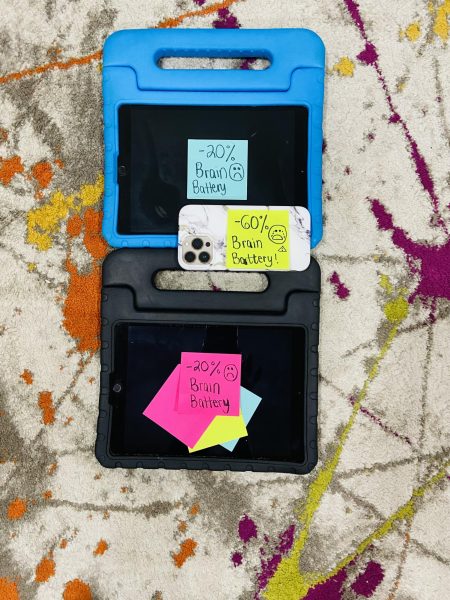
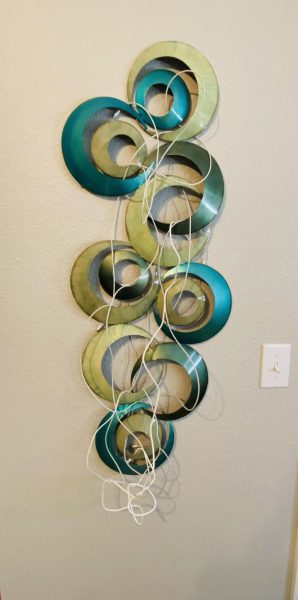
Based on what Dr. Nerurkar says in a Harvard Health article, “doomscrolling” can cause “popcorn” brain. She explains that “it’s the real, biological phenomenon of feeling your brain is popping because you’re being overstimulated online.” Basically, it’s too much information for the brain to process in too little time, meaning it will drain energy instead of restoring it. Sarah Wahab, a sophomore, says, “Scrolling on your phone causes mental fatigue and a short attention span.” Zoha Calton, another sophomore, remarks, “When I scroll on social media for long periods of time, I have little to no energy to do anything, and it causes me to be unproductive throughout the day.” Yara Abo-Auda, also a sophomore, says, “Scrolling just makes my brain feel tired.” Information overload is like a bunch of wires cluttered with no way for them to become untangled.
On the other hand, according to MSU Health Care, when people performed a brisk walk, their brain’s processing speed improved along with working memory, multitasking, focusing, and planning. All of this contributed to their brains becoming recharged, since they became more efficient at managing and organizing information. Wahab says, “The natural things that our ancestors and parents would do without the internet, which is walking and spending time outside, would produce endorphins in your brain which act as pain relievers and boost our moods, essentially being an antidote to the disease.” Additionally, Calton remarks, “Whenever I do any physical activity, I feel more energized and ready to move.” Also, Abo-Auda remarks, “I feel way more refreshed after taking a walk.”
There’s science behind what brisk walking does to the brain. According to the American Association of Retired Persons, walking can assist with growing new brain cells. Brisk walking releases a protein called BDNF, which is needed for current neurons in the brain to live and for the creation of new neurons. This is because walking causes more nutrients and oxygen to move to the brain, and oxygen is key to neurons working properly.
People have a choice: scroll or stroll. Both might be done for the same amount of time, but only one has the spark to recharge the brain, to keep the shard of the icicle cool. And that’s just one minute of strolling, because even one minute can be enough to save the shard of icicle from the fire of social media’s unproductivity.