Over the past few years, the price for computers and personal computer (PC) parts has been steadily increasing, making new builds and upgrades more expensive for students and everyday users. Graphic cards (GPUs), random access memory (RAM), and processors now cost far more than they once did. They also often sell out quickly or have prices that are significantly marked up. As more people and companies rely on high-performance computers, hardware manufacturers are struggling to keep up. While inflation has played a part in rising hardware prices, the main reason for these rising prices is the rapid growth of artificial intelligence (AI), and the demand it has created for high-performance computer parts.
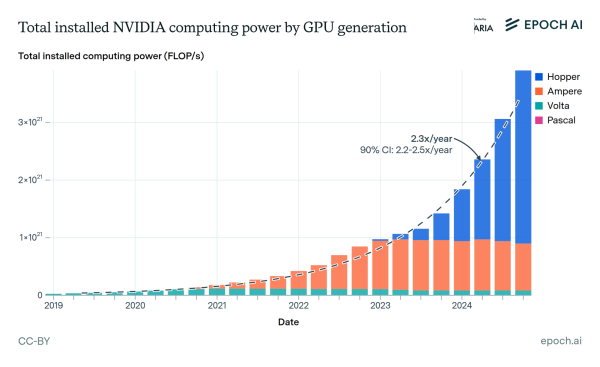
So how has AI been affecting the pricing for PC components? To understand this, you must first understand how investing into AI actually works. Large scale AI models need powerful hardware to run, like graphics cards, processors, as well as RAM . This is because companies use AI for large tasks, like data analysis, video processing, and networking. Therefore, companies like NVIDIA, a big player in the tech industry, have been investing heavily into AI by providing the essential hardware it needs to run efficiently and perform these large-scale tasks.
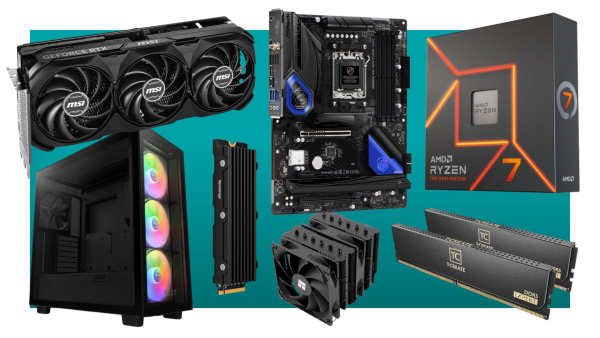
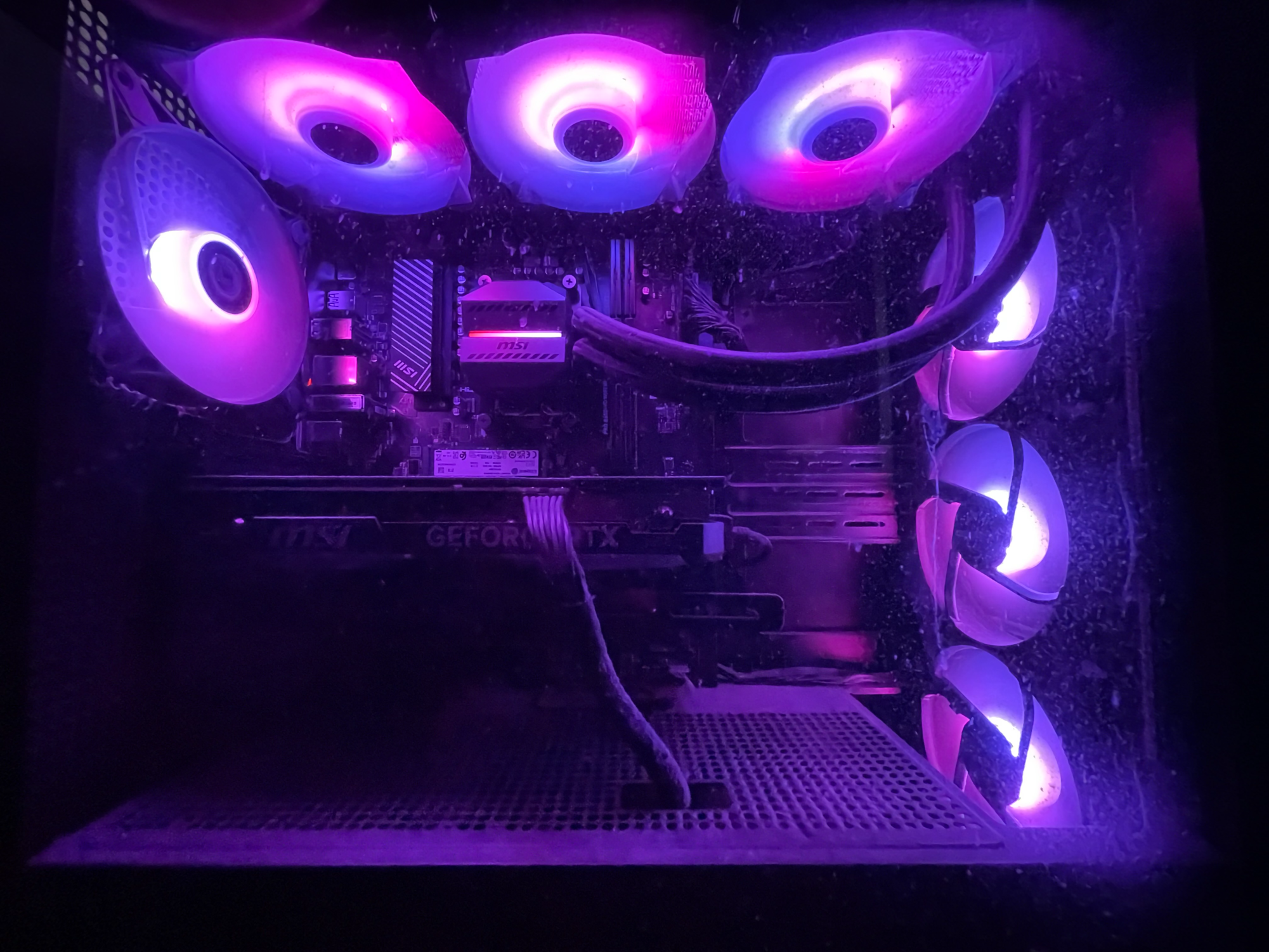
Source: https://www.pcgamer.com/hardware/ive-beaten-the-best-prime-day-gaming-pc-deal-with-a-rig-built-completely-from-big-deal-days-parts/
Because of this however, GPU production for the market (regular customers) has been cut by 30 to 40%, with NVIDIA investing over 100 billion dollars into AI. Because of this cut in production, prices for GPUs have been bumped up big time due to demand. For instance, an RTX 5090, a powerful GPU meant for gaming, used to be around $2000 to $3000 a couple months ago. Now, it costs upwards of $5000, and many customers being unhappy about this. The case for RAM isn’t much better, with production for all RAM being cut by up to 40%, and prices increasing up to 300% of the original price.
This has had a significant impact on customers that have been looking for PC components to build a PC, and not in a good way. People who are into gaming, particularly young people, or just students who want a strong PC to perform necessary tasks now have to spend much more in order to get the parts they need, likely spending a few thousand dollars to build a high-end PC. In addition, this also hurts small businesses that focus on building PCs for customers. This is because as GPUs, RAM, and other PC parts are increasingly facing shortages, the price skyrockets as explained, making it so these parts are hard to come by for a good price. Therefore, these PC building businesses have inventory shortages of parts necessary to fulfill requests for PCs, while also not being able to take new orders. This has overall, contributed dramatically to the struggle of these businesses.
Source: https://epoch.ai/data-insights/nvidia-chip-production
In conclusion, the growth of artificial intelligence has significantly changed the PC hardware market, leading to higher prices and a lower availability of parts. As companies prioritize powerful hardware for large scale AI computing, normal everyday customers are left facing increased costs and fewer options. This shift not only affects gamers and students, but also some small businesses that rely on affordable PC parts. Unless production becomes more balanced between customers and AI companies, building or upgrading personal computers will continue to become more and more expensive.