Symptoms, hospitalization, and vaccines. For a lot of people, these words bring back memories of the COVID-19 pandemic, an event that caused life to come to a standstill through quarantine for many months before a cure was found. However, there is now a new disease making headlines: super flu. But what exactly is this new sickness, and is it comparable to COVID?
What is the Super flu?
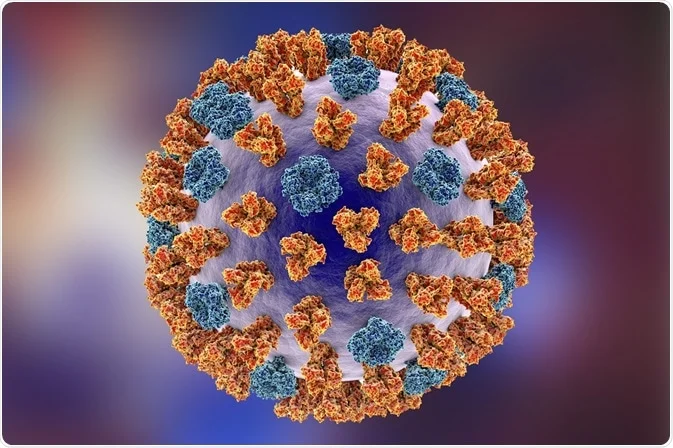
A strain of the influenza virus called Subclade K, commonly known as the “Super flu,” is a newly emerging strain of the influenza A virus that has become increasingly popular in recent months. According to the Pigeon Post NYC, a popular social media account that posts about culture in New York City,” “Y’all do not want this flu…this strain is breaking records. People are going to the E.R., hospitals are overwhelmed…there’s a reason for that. The first two days of this flu, it felt like a city bus hit me, then reversed over me, then hit me again.” Flu infection has spiked more quickly and severely in the past several months than in past years, causing concern among the general public. The term “Super flu” is used to describe this strain because it seems to induce more severe flu symptoms, and spread more quickly than other strains of the virus. Though symptoms vary from person to person, they are similar to normal flu-like features, such as headaches, fever, nausea, but are often described as more intense or prolonged. As stated by Dr. Meghan Martin, a pediatric emergency department doctor and social media influencer, “the kids that are coming into the E.R. with the flu this year have more G.I. [gastrointestinal] symptoms, and the G.I. symptoms are more prominent than typical flu seasons.”
Will This Be The Next Covid?
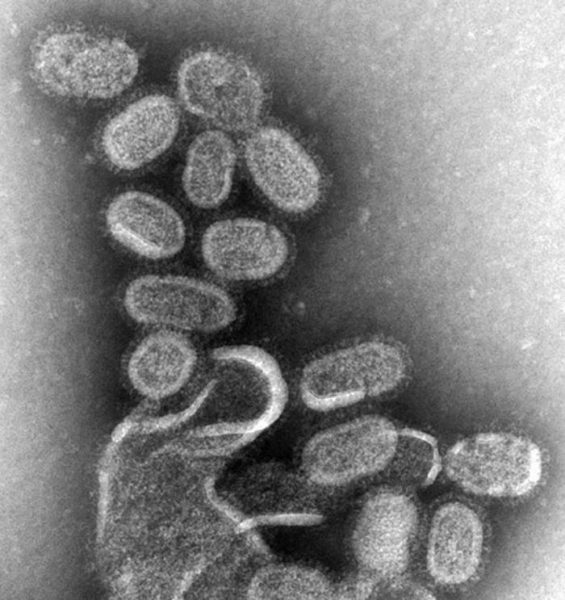
While it’s easy to get nervous whenever news about a widespread disease appears, it is unlikely that the Super flu will escalate to the level of the COVID-19 pandemic. While the early arrival of the flu was a cause for concern among specialists, the number of cases has been falling since December, according to the BMJ, a medical journal. Additionally, unlike COVID, vaccines for the flu do already exist and are, according to the Independent Observer, “the best protection against Super flu.”
How Can I Stay Safe?
According to Dr. Monica Gandhi, a physician and professor at UCSF, the decrease in vaccines taken led to an increase in sickness, so existing vaccines should be taken to prevent the Super flu. Additionally, basic measures should still be followed. It is important to stay at home if symptoms emerge for any kind of illness and to wash hands regularly and properly. If someone gets symptoms of influenza, they should stay at home three days after their symptoms leave, according to WIRED. While sick, focusing on rest and hydration will be beneficial in ensuring adequate recovery.
So, in the end, will the “Super flu” ever escalate to Covid-19 levels? Definitely not. As long as one takes the influenza vaccine, protects themselves against infected people, and self-quarantines if sick, this strain of the flu will stay just that; another form of the flu that becomes increasingly common during the winter months. If you begin to show symptoms of the flu, it is important to monitor symptoms, and immediately see a doctor if you experience chest pains, dehydration, or a fever over 100 degrees Fahrenheit.