Feeling tired has become a normal part of everyday conversation. Whether it’s said jokingly or seriously, many people admit that they rarely feel fully rested. From when they get up until the end of the day, teenagers and students in particular seem to be burdened by ongoing exhaustion. Even when people go to bed with the intention of getting enough sleep, they often still wake up feeling drained.
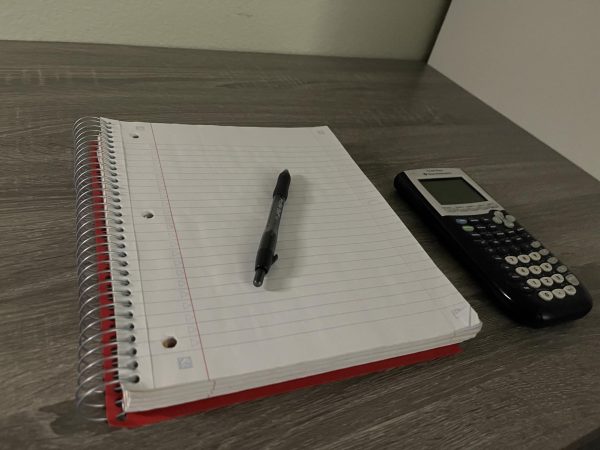
Simply not getting enough sleep is one of the main causes of fatigue. Many teenagers report averaging only about six to seven hours of sleep on a typical school night, which is less than recommended. Early alarms and late bedtimes make it difficult to stick to a consistent sleep schedule. Students usually go to sleep later than they should because they may still have homework and other tasks to finish. Over time, this lack of rest adds up and leaves people feeling tired and worn out.
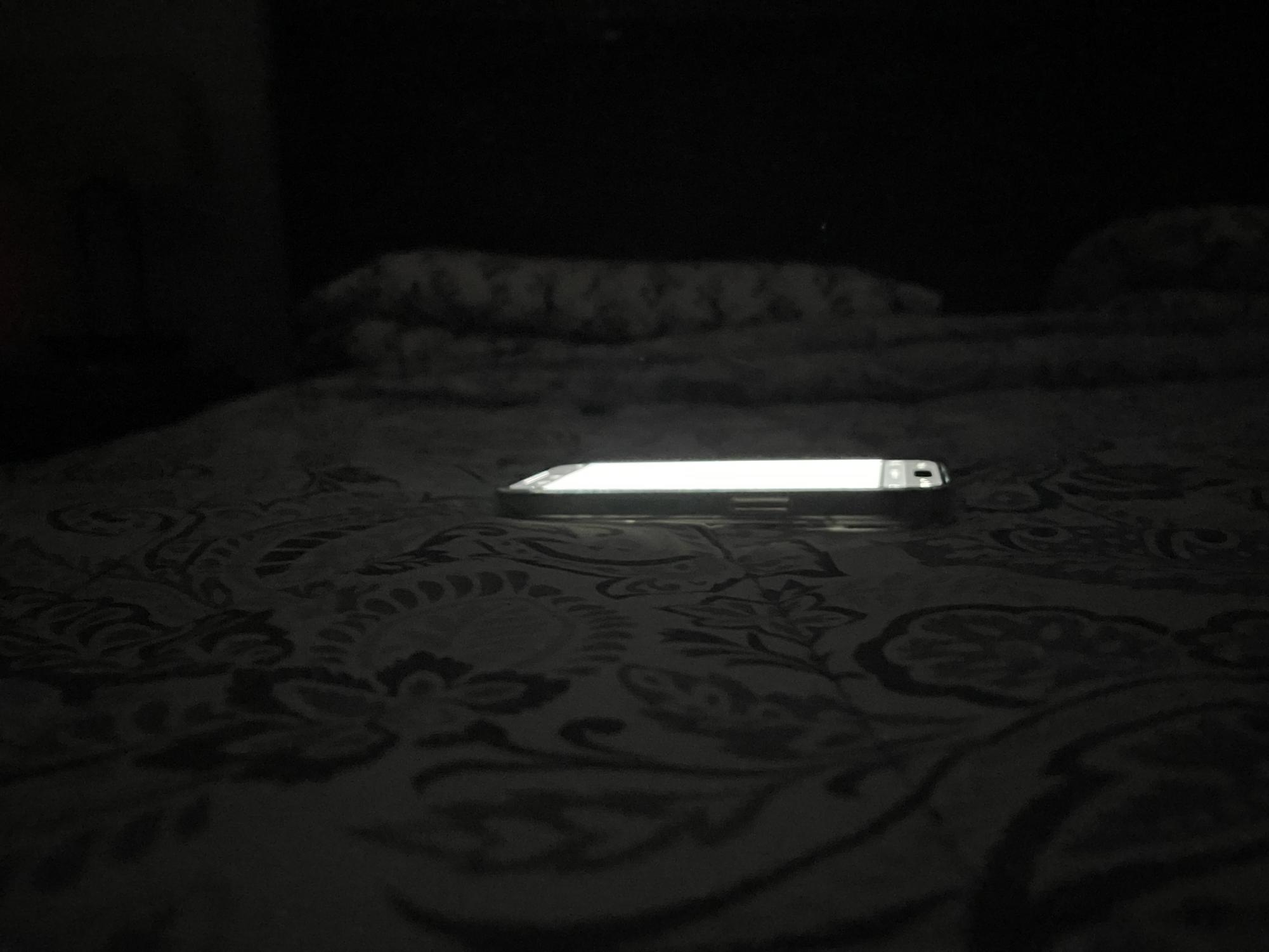
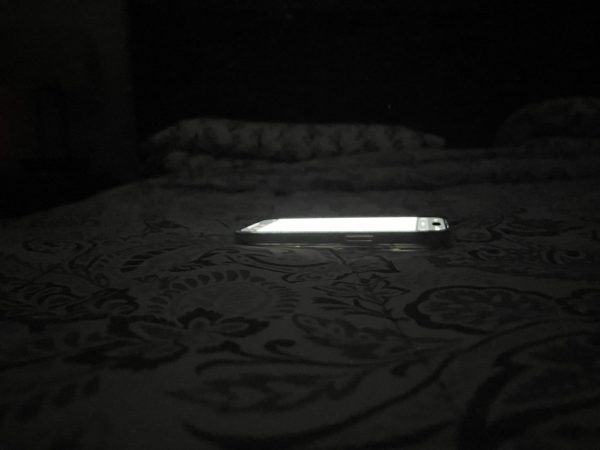
Another reason people feel tired is screen time. People use phones, tablets, and laptops constantly, especially at night. Many people scroll through social media, watch videos, or text friends right before going to sleep. While it may seem relaxing, it often makes it harder to fall asleep. The bright light from screens and the nonstop content from scrolling can keep the brain alert when it should be shutting down.
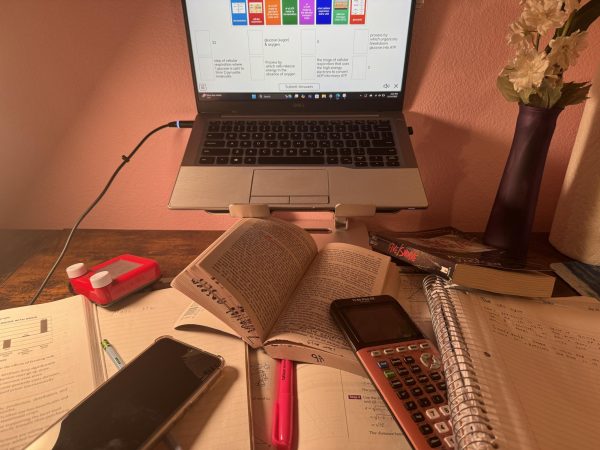
Daily responsibilities also add to how tired people may feel. Between schoolwork, activities, and family commitments, teens can feel like there isn’t a lot of time to rest. Even the weekends might not feel like a break because that time is spent catching up on homework and other things students didn’t finish during the week. This cycle makes it hard to ever feel fully recharged.
Being tired affects more than just sleep; it can lead to a harder time focusing, feeling less motivated, and being more irritable. Things that seem small and won’t be a big deal can start to feel overwhelming and cause stress. Over time, this can affect one’s mood, schoolwork, and daily tasks. However, in modern day society, feeling tired is treated as normal instead of something that should be taken seriously.
But schoolwork and responsibilities aren’t the only reason why people feel tired. Especially in teens, exhaustion could very well be self-inflicted. Staying up late even when there’s nothing important to do, hitting the snooze button too many times in the morning, or drinking caffeine late in the day can all make it harder to sleep and by extension, feel rested. Some people also sleep at vastly different times every night, which throws off their sleep schedule. These habits might not seem like a big deal at first, but over time they can amplify exhaustion and make it hard to escape.
There isn’t one easy solution to feeling tired, but small changes can go a long way. Going to bed earlier and having consistent wake up and bedtimes will lead to developing a consistent sleep schedule. Spending less time on phones at night and managing time better are a few other things people say might make a difference. However, with constant distractions and busy schedules, these changes aren’t always easy to stick to. Being tired is something many teens deals with, which is why saying “I’m tired” has become one of the most common things people say these days.