

Students should be able to support causes they deeply care about and learn about struggles around the Muslim world. For a long time, Islamic countries have faced both internal and external crises. Additionally, many media outlets often fail to capture the whole story, which can lead to misunderstandings and in some cases, the downplaying of war crimes committed against innocent civilians. This is evident in countries like Sudan, Congo, Palestine, and Libya.
Currently, countries like Sudan are witnessing serious genocide. In Sudan, satellite imaging as well as testimonies have shown mass killings in El-Fasher, Darfur, after the RSF seized control. Even after this gruesome and horrible event has been acknowledged, little action is being taken to help the civilians of Sudan. This conflict has displaced millions, with many reports of ethnic cleansing and systematic violence against civilian populations. Humanitarian aid struggles to reach those in need, and the international community, for the most part, remains silent.

Acts like this don’t only occur in Sudan, however. In the Democratic Republic of the Congo, armed conflict has created one of the world’s worst humanitarian crises. Millions have died from violence, disease, and starvation, yet media coverage of this crisis is quite minimal. Mineral extraction fuels ongoing conflict, and civilians, especially women and children, face unimaginable violence. As another example, in Libya, years of civil war have left the country fractured, with reports emerging of slave markets and migrant detention centers where people endure torture and abuse.
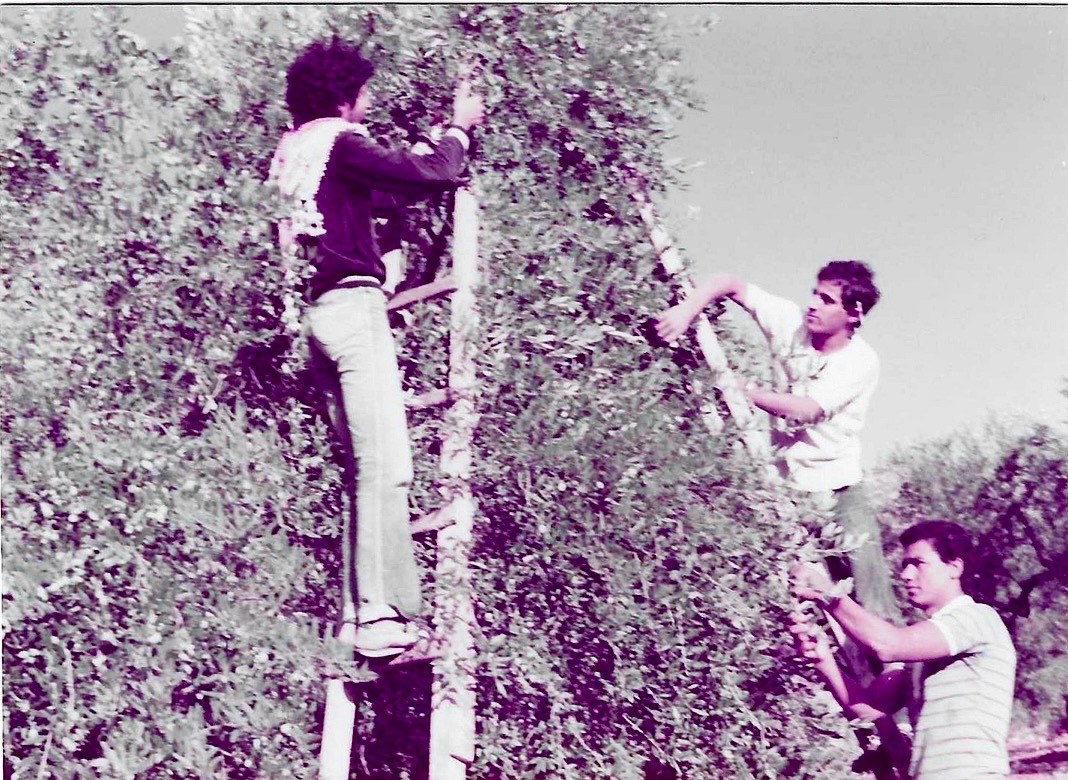
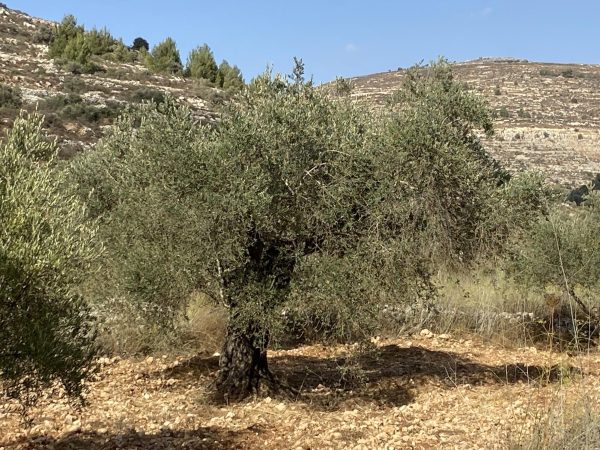
Furthermore, many mainstream media outlets have settled on a one sided narrative about Palestine and what is truly going on. The reality is that people in the Gaza Strip are starved, killed, and face threats from extremist settlers along with the Israeli military. And it’s not only the Gaza Strip, more and more Palestinians are pushed off their land every day in the West Bank as well. Just a few weeks ago, the land of the Aziz family’s olive trees was taken in Al Mazra’a Ash Sharqiya, Palestine. These trees have been taken care of by the Aziz family for more than a century. They were only given three days to do whatever they chose before the land was taken. This raises the critical question about whether it is morally acceptable for someone to walk into your home, claim it’s theirs, and give you three days to pack your stuff and leave? Most people would view such a predicament as unjust, however many Palestinians face this reality daily. Not just with olive trees, but with family homes that have been passed down for generations too.
As students, it can be easy for us to believe that we are insignificant when it comes to such global issues. However, as participating members of society, we should be able to do something and indeed we can.
Students can:
-
Organize fundraisers for humanitarian organizations like UNICEF, Doctors Without Borders, Islamic Relief, and the Palestinian Children’s Relief Fund
-
Contact elected representatives to demand accountability and transparency
-
Participate in peaceful protests
-
Support boycott movements
-
Help people from affected communities feel heard
-
Educate others by sharing accurate information from/and reliable sources
-
Use social media platforms to raise awareness
As students, we should know that our voices as youth are powerful and can be loud if we know how to use them. History has shown us that young people have lead movements for the right causes. As the generation of the future, we have the energy, passion, and moral clarity to demand justice when others stay silent. Actions we take, whether it’s a conversation with a friend, a post on social media, or organizing a fundraiser, can contribute to a larger movement: fighting for human rights and dignity. The question isn’t whether we can make a difference, but whether we will choose to try.




Seemal • Dec 9, 2025 at 3:20 pm
Wow so cool!