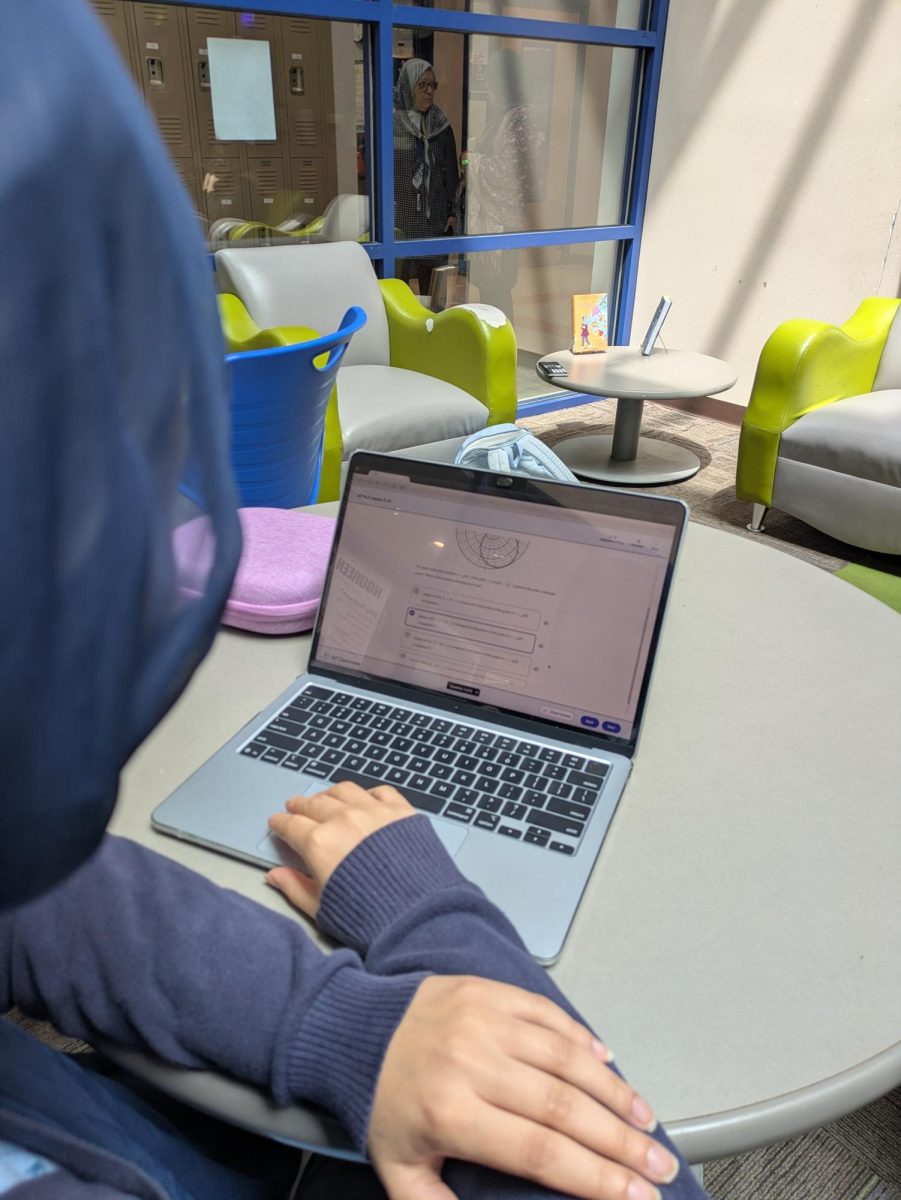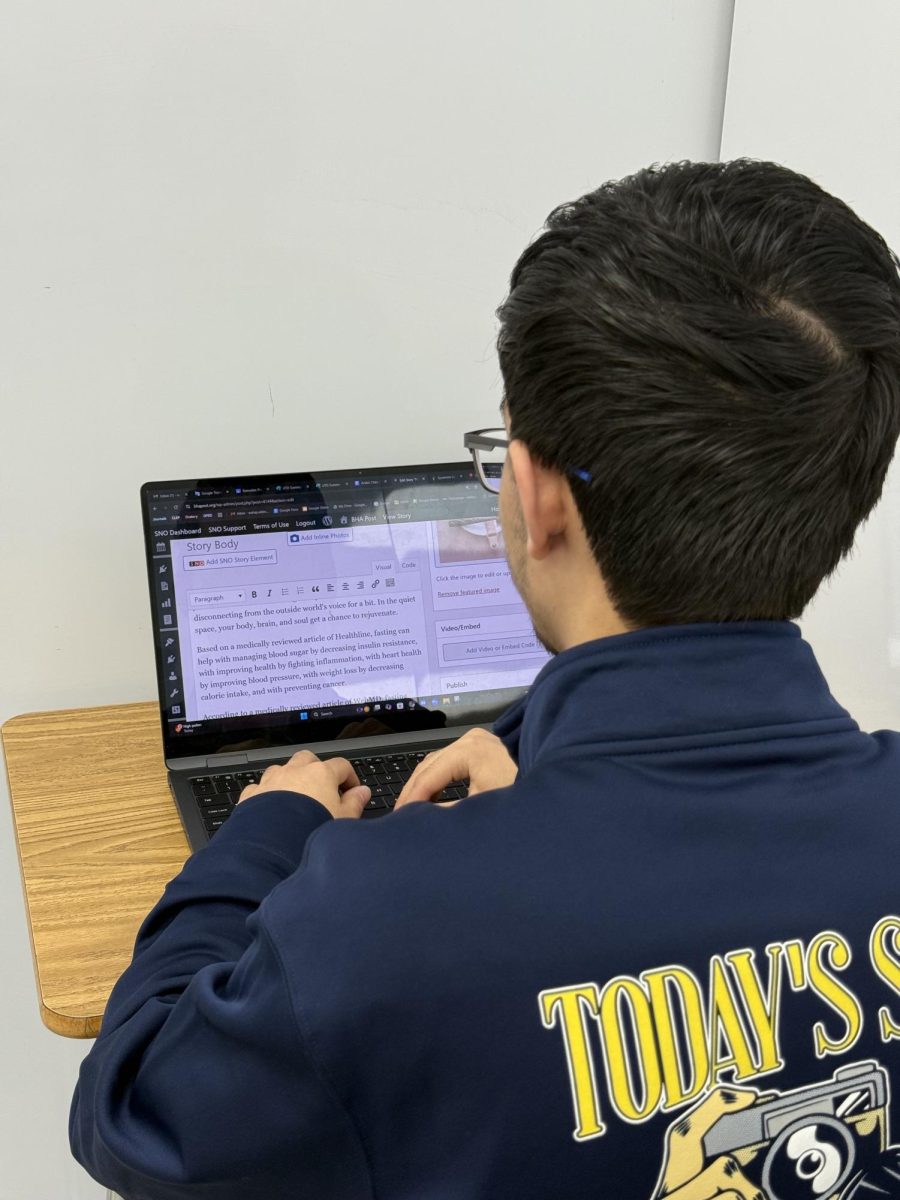
Feeling like oneself is in a constant cycle of arduous and repetitive schoolwork is a common experience for any student. At times, their schedules—both in and out of school—may feel bland and lack vibrancy. This can cause some students anxiety and feelings of sickness in their stomachs. However, these issues can easily be remedied by incorporating lively hobbies into one’s schedule that can alter the standard school cycle and prevent unnecessary boredom and frustration. From painting to reading, there are an endless number of hobbies to sift through that temporarily allow a student to escape the boundaries of grading and school environments—with the purpose of simply destressing and enjoying their passions.

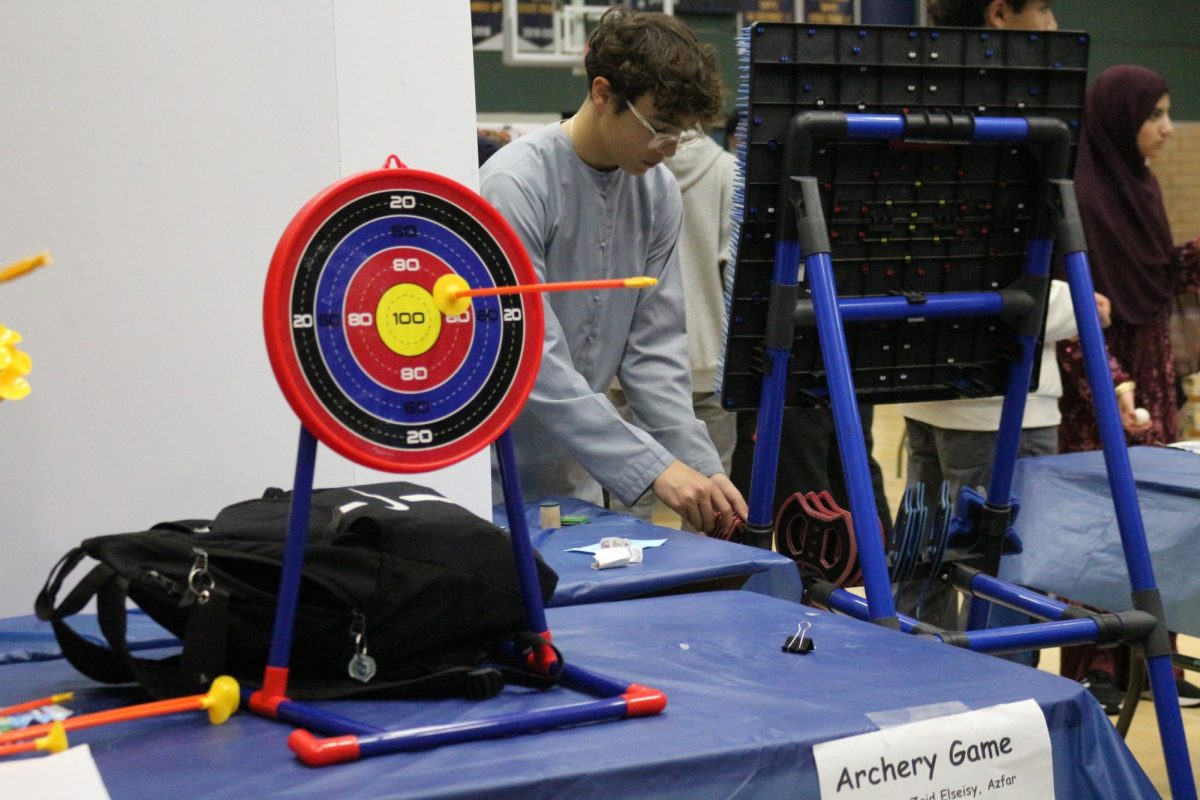
It is logically invalid to claim oneself has no hobbies, as every individual has at least one hyper-fixation or even activity they are effervescent about. Hobbies are often perceived as admirable activities in which an individual has expertise and experience in. However, hobbies can even include eating or watching television. This is a crucial key to understanding how hobbies work because many students may claim they lack the skill or time to practice a hobby. But hobbies should not be stressful. For example, if someone enjoys eating, they can immerse themself in the culinary world during their free time and define that as a hobby. The Merriam-Webster Dictionary defines a hobby as “a pursuit outside one’s regular occupation engaged in especially for relaxation.” This further supports the fact that hobbies are not meant to overload a student’s already busy schedule, but instead can be anything they find delightful and do not have to include any prerequisite skillsets. Sophomore Ayesha Aslam says, “Hobbies are helpful in destressing because they give us more mental energy, offer creative outlets, and provide us with happiness.” As Aslam stated, hobbies are a profoundly efficient outlet for creativity and allow a student to express their enthusiasm on a specific topic. Hobbies appear in differing forms, and every individual has a splendid, unique way of implementing their affiliated hobby. With art, there are various techniques and media the artist can utilize and even meld together to create their own unique style. Even with video games, the player has their own unique way of playing according to their strengths and cognitive thinking skills.
However, a vital factor to consider in practicing hobbies is ensuring a reasonable amount of time is allocated without crossing the line between balance and carelessness. Research has demonstrated that students who spend frequent time in unstructured leisurely activities and watching television had poor academic performance (Lobel, Engels, Stone, Burk, & Granic, 2017; Meece, Pettit, Mize, & Hayes, 1998). This issue can be easily avoided by remaining cognizant of the time frames in which students practice their hobbies, structured or not, in order to detect disparities that can disrupt their balance. It is also important to consider that students will not be able to experience the sweetness of having hobbies if they spend too much time on them, as that would conversely increase their stress, negating the original goal of reducing it.
Maintaining a dynamic lifestyle by practicing one’s unique hobbies in an efficient way will always illuminate a student’s schedule by allowing them to decompress and relax. By implementing their individualistic passions, hobbies add flavor and taste to the lives of students and create a healthy balance between schoolwork and leisurely activities. After all, an unhealthy focus on schoolwork and neglection of hobbies is catastrophic to a student life’s balance and can cause them to fall into the abyss of repetitive despair. Every student is unique in various ways and each have notable interests they should always actively practice to prevent the staling of their schedules from schoolwork and make their high-school experience lively.